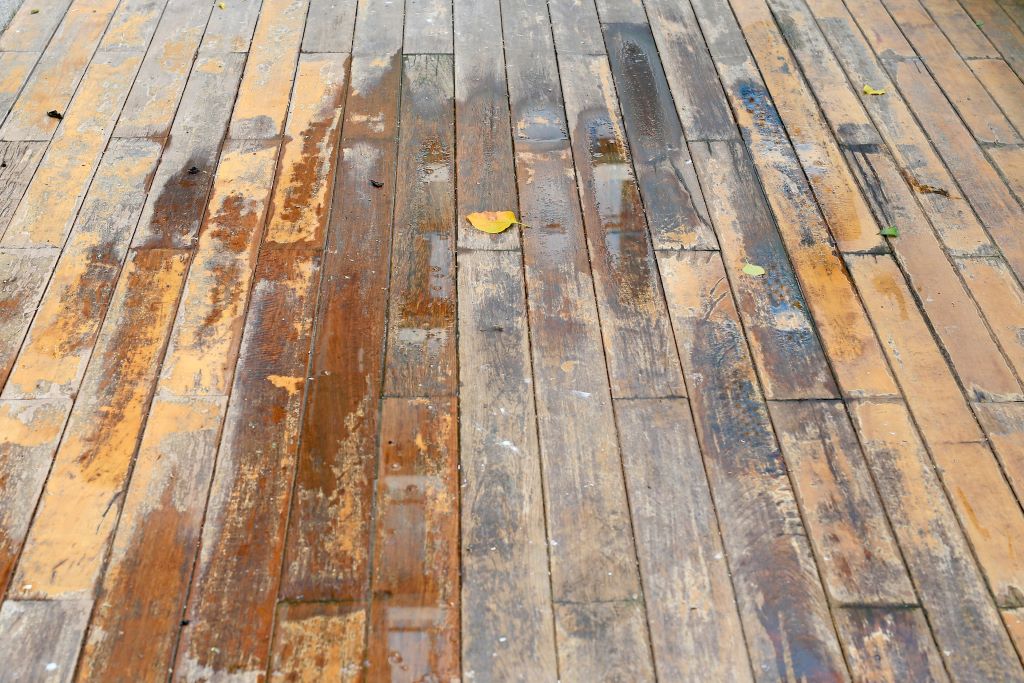
How to Remove Tough Stains from Floors
Hey there, fellow clean freaks! We’ve all been there, right? You spot that stubborn stain on your beautiful floors, and it’s driving you nuts. Whether it’s spilled wine, stubborn grease, or muddy footprints, those unsightly marks can be a real eyesore. But fear not, my friends, because I’m here to guide you through the process of removing those tough stains from your floors, no matter what type they are. So, grab your cleaning gear and let’s dive right in!
Identifying the Culprit
Before we jump into action, let’s play detective. What’s that stain on your floor? Different stains require different treatments. Is it a red wine mishap from last night’s celebration, or perhaps some mysterious, sticky residue left behind by your curious little one? Knowing what you’re up against is the first step to winning this battle.
Gather Your Arsenal
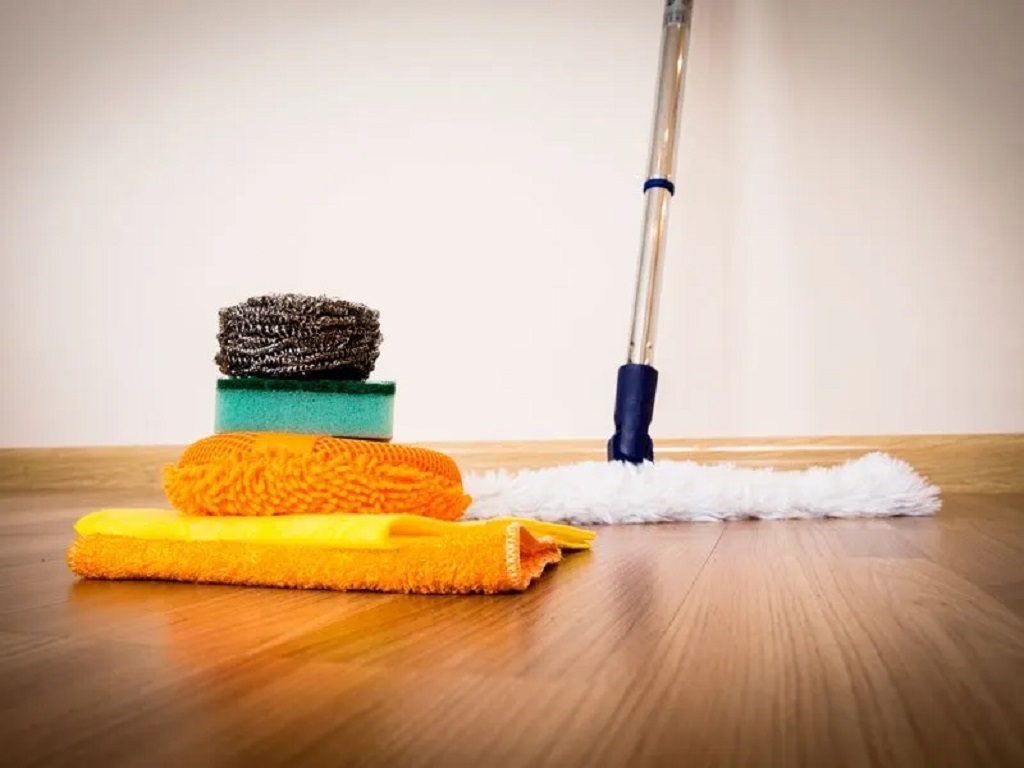
Alright, Sherlock, you’ve identified the stain. Now it’s time to assemble your cleaning toolkit. Here’s what you’ll need:
- Broom or vacuum cleaner: Start by removing loose dirt and debris from the stained area.
- Warm water: Most stains can be tackled with warm water, so it’s your go-to solution.
- Mild dish soap: For those extra stubborn stains, a few drops of mild dish soap will work wonders.
- White vinegar: Great for cutting through grease and grime.
- Baking soda: This kitchen staple is a superhero when it comes to tough stains.
- Soft cloths or sponges: Opt for non-abrasive materials to avoid scratching your floors.
- A bucket: To mix your cleaning solutions.
Time to Get Scrubbing
Now, it’s the moment you’ve been waiting for – time to get down and dirty (well, not literally). Follow these simple steps:
Step 1: Sweep or vacuum the area to remove any loose dirt and debris. You don’t want to be scrubbing that into your floor.
Step 2: Mix warm water with a few drops of mild dish soap. Dip a soft cloth or sponge into the soapy water and wring it out so it’s damp but not dripping.
Step 3: Gently rub the stained area with the damp cloth or sponge. Remember, patience is key! You may need to repeat this step a few times.
Step 4: If the stain isn’t budging, it’s time to bring out the big guns. Mix a solution of equal parts white vinegar and warm water. Vinegar is a champ at breaking down grease and grime.
Step 5: Apply the vinegar solution to the stain and let it sit for a few minutes. Then, scrub the area with your cloth or sponge.
Step 6: Rinse the area with clean water and a fresh cloth to remove any soap or vinegar residue.
Step 7: Dry the floor thoroughly to prevent any new stains from forming.
Tackling Specific Stains
Let’s get into the nitty-gritty of how to deal with different types of stains.
Red Wine Stains
Oh no, did you have a little too much fun at that dinner party? Red wine stains can be intimidating, but fear not!
Step 1: Blot the stain with a clean cloth or paper towels to absorb as much wine as possible. Avoid rubbing; you don’t want to spread the stain.
Step 2: Mix a solution of equal parts water and white vinegar. Apply it to the stain and let it sit for a few minutes.
Step 3: Gently scrub the stain with a cloth or sponge. If it’s still there, try a paste made from baking soda and water. Spread it on the stain, let it sit, and then scrub.
Step 4: Rinse with clean water and dry thoroughly.
Grease and Oil Stains
Whether it’s cooking oil or the aftermath of a DIY car repair, grease and oil stains are a pain. But we can handle them!
Step 1: Sprinkle a generous amount of baking soda over the stain. Baking soda is like a sponge for grease.
Step 2: Spritz the baking soda with water to make a paste. Let it sit for about 15 minutes.
Step 3: Scrub the paste with a cloth or sponge. For really stubborn stains, use a plastic scraper to gently lift the residue.
Step 4: Rinse with warm water and dry thoroughly.
Stubborn Gum
Did someone forget to check their shoes before entering? Gum stuck to your floor can be a sticky situation.
Step 1: Freeze the gum by applying an ice pack or ice cubes wrapped in a cloth to it. This makes the gum less sticky.
Step 2: Once the gum is frozen, gently scrape it off with a plastic scraper. Be patient and avoid scratching the floor.
Step 3: Clean any leftover residue with warm, soapy water and a cloth.
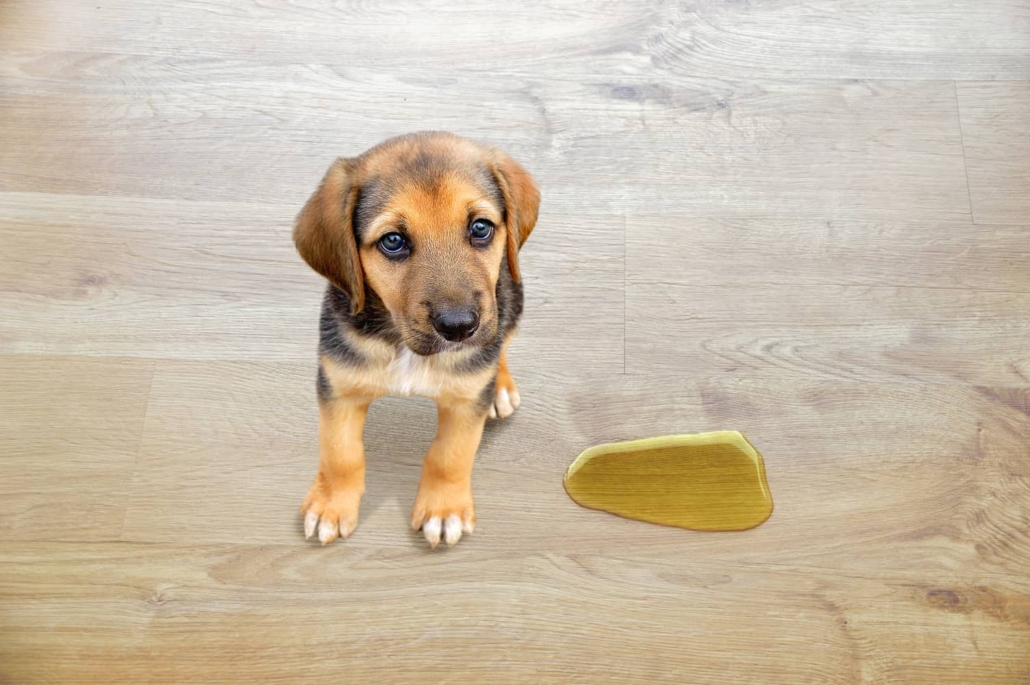
Pet Accidents
Our furry friends sometimes leave surprises for us. If you’ve got a pet stain to deal with, here’s what to do:
Step 1: Blot up as much of the mess as possible with paper towels.
Step 2: Mix a solution of one part white vinegar to one part water. Apply it to the stain and let it sit for a few minutes.
Step 3: Blot the stain again with a clean cloth or paper towels.
Step 4: Rinse the area with clean water and pat it dry.
The Importance of Preventing Stains
Now that we’ve conquered those stains, let’s talk prevention. As they say, an ounce of prevention is worth a pound of cure. Here are a few tips to keep your floors looking pristine:
- Use doormats: Place doormats at entrances to capture dirt and debris before it makes its way onto your floors.
- Shoes off policy: Encourage family and guests to remove their shoes before entering your home.
- Regular cleaning: Stick to a regular cleaning schedule to prevent dirt buildup.
- Area rugs and runners: Consider using area rugs or runners in high-traffic areas to protect your floors.
- Furniture pads: Use furniture pads under the legs of your chairs and tables to avoid scratches and dents.
FAQs (Frequently Asked Questions)
1: Can I use bleach to remove stains from my floors?
Answer: It’s best to avoid bleach on most types of flooring, as it can damage the finish and discolor the surface. Stick to the methods mentioned earlier, as they are safer for your floors.
2: Can I use a steam mop to remove stains?
Answer: Steam mops can be effective for cleaning many types of floors, but they may not be suitable for all. Check your flooring manufacturer’s recommendations before using a steam mop to avoid potential damage.
3: What if the stain has been there for a long time?
Answer: Older stains can be more stubborn, but the methods mentioned here should still work. You may need to repeat the cleaning process several times and be patient.
4: Are there any natural alternatives to white vinegar for stain removal?
Answer: Yes, you can use lemon juice as a natural alternative to white vinegar. It has similar stain-removing properties and a pleasant citrus scent.
5: Can I prevent scratches on my hardwood floors?
Answer: To prevent scratches on hardwood floors, use felt or rubber pads under furniture legs, avoid dragging heavy objects, and trim your pet’s nails regularly. A well-maintained finish also helps protect against scratches.
Conclusion
There you have it, folks! Say goodbye to those pesky stains and hello to spotless, gleaming floors. Remember, patience and the right approach are your best allies in this battle. Happy cleaning!









Post Comment