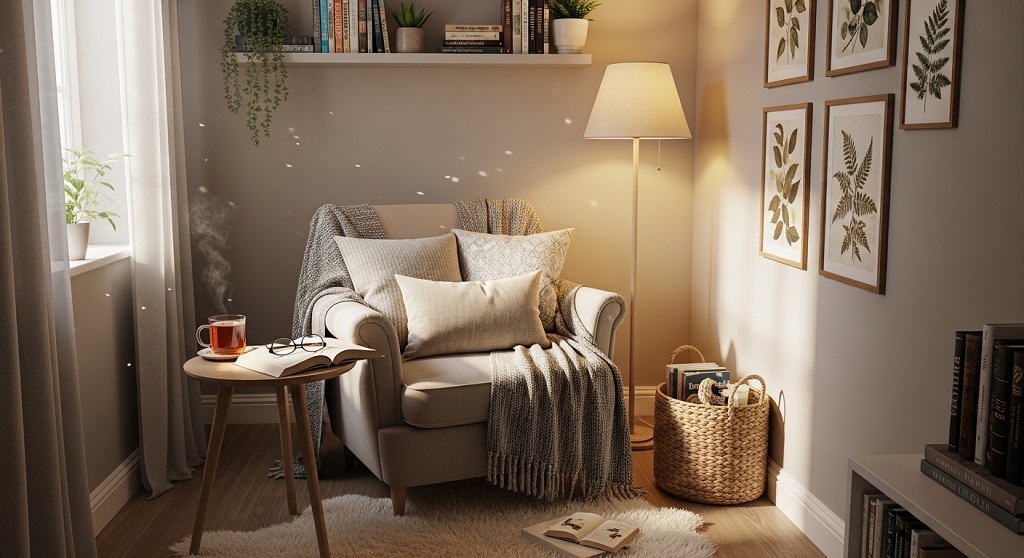
How to Create a Cozy Reading Nook at Home (Any Budget, Any Size)
Most homes have unused corners that quietly collect clutter instead of comfort. A reading nook transforms one of those forgotten spaces into a personal retreat that improves focus, reduces stress, and makes reading a daily habit instead of an occasional activity.
The problem is not space. It is planning. Many people assume they need a large window seat, expensive furniture, or a dedicated room. In reality, a cozy reading nook can fit beside a bed, under a staircase, or inside a hallway corner.
With the right seating, lighting, texture, and layout choices, even a one-square-meter area can become inviting and functional. This guide explains exactly how to design a reading nook step-by-step for any home size and any budget.
What Is the Easiest Way to Create a Cozy Reading Nook at Home?
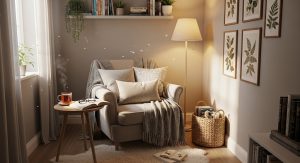
A cozy reading nook can be created by choosing a quiet corner, adding comfortable seating, layering soft lighting, including a small surface for books or drinks, and using textiles like cushions or rugs to reduce visual noise and improve comfort. Even small apartments can support a functional reading space.
The easiest reading nook begins with identifying unused space rather than buying furniture first. Look for areas beside windows, bed corners, hallway ends, or under shelves. These zones already feel separate from daily movement.
Next, define the nook visually. A rug, chair placement, or floor cushion can create boundaries without building walls. This separation signals your brain that the space has a specific purpose.
Lighting is essential. Natural daylight improves reading comfort and reduces eye strain. If natural light is limited, use a warm directional lamp positioned behind the shoulder rather than directly overhead.
Comfort finishes the setup. Add a cushion, throw blanket, or upholstered seat. These elements increase the likelihood that the nook will be used regularly.
A reading nook does not require decoration first. It requires usability first. Once the function works, style becomes simple.
Where Is the Best Place to Set Up a Reading Nook at Home?
The best place for a reading nook is a quiet corner with minimal foot traffic, access to natural or adjustable lighting, and enough wall or floor space for seating and a small surface. Window corners, bedroom edges, and unused hallway ends work especially well.
Location determines whether the nook becomes a habit space or a decorative corner. High-traffic areas reduce concentration and shorten reading sessions.
Start by identifying low-movement zones. Common options include:
- Window corners with natural daylight
- Bedroom corners near wardrobes
- Empty hallway ends
- Spaces under staircases
- Balcony corners
Noise control matters as much as layout. Even a visually attractive nook becomes ineffective if surrounded by distractions like television sound or constant movement.
Lighting flexibility improves usability. If the space has no window, add a floor lamp with adjustable brightness. Warm light between 2700K and 3000K reduces strain during long reading sessions.
Vertical walls near the nook also create storage opportunities. Installing floating shelves keeps books accessible without crowding the floor area.
A well-chosen location increases consistency. Consistency turns a reading corner into a reading routine.
What Furniture Do You Need for a Comfortable Reading Nook?
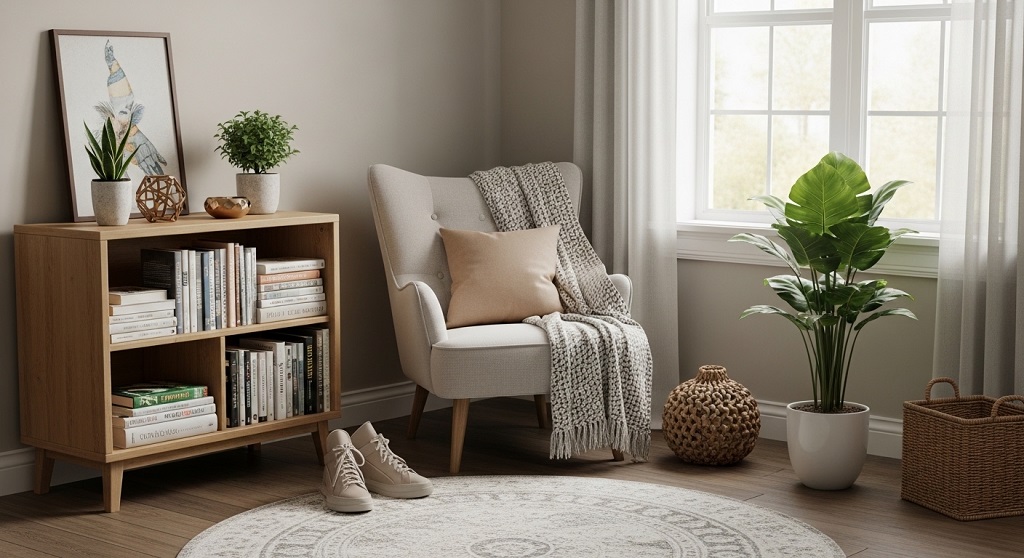
A comfortable reading nook requires supportive seating, a small surface for essentials, proper lighting, and soft textures like cushions or rugs. These four elements create a functional environment without needing large furniture or expensive décor.
Furniture selection should match the available space first. Large chairs reduce flexibility in small homes. Compact seating often works better.
Popular seating choices include:
- Armchairs for long reading sessions
- Floor cushions for flexible layouts
- Window benches for narrow spaces
- Bean bags for casual reading
A small side table improves usability immediately. It keeps books, glasses, or drinks within reach. Without it, the nook becomes inconvenient.
Lighting must be adjustable. Fixed ceiling lights create shadows across pages. A floor lamp or clip lamp solves this problem efficiently.
Textiles increase comfort while reducing echo in the space. Rugs absorb sound and visually define the reading area.
| Furniture Type | Best For | Budget Level | Space Requirement |
|---|---|---|---|
| Armchair | Long reading sessions | Medium | Medium |
| Floor Cushion | Small apartments | Low | Low |
| Window Bench | Natural light areas | Medium | Low |
| Bean Bag | Casual reading spaces | Low | Medium |
The goal is not decoration density. It is physical comfort that encourages longer reading time.
How Can You Create a Reading Nook in a Small Space?
A small reading nook can be created by using vertical storage, compact seating, layered lighting, and corner positioning. Even a 3-foot corner can function effectively when furniture scale matches the available space.
Small homes require efficient layout decisions rather than fewer design choices. Corners naturally reduce distraction and create psychological separation.
Use vertical space whenever possible. Floating shelves replace bulky bookcases and keep the floor clear.
Choose seating that fits the corner shape. Floor cushions, narrow benches, and armless chairs improve movement flexibility.
Lighting should attach to walls instead of occupying floor area. Clip lamps or wall lamps free valuable space.
Mirrors also help visually expand compact reading areas. They reflect light and reduce the feeling of enclosure.
Keep accessories limited. One throw blanket and one cushion often create more comfort than multiple decorative objects.
Small reading nooks succeed because they prioritize intention over size.
How Do You Make a Reading Nook Feel Cozy Instead of Empty?
A reading nook feels cozy when soft textures, warm lighting, layered seating comfort, and personal items like favorite books or artwork create visual warmth. These elements reduce harsh edges and make the space inviting for longer reading sessions.
Cozy environments rely on sensory balance. Texture, light temperature, and color contrast all influence comfort perception.
Start with layered textiles. Combine cushions, rugs, and blankets to soften the seating area.
Lighting temperature changes mood dramatically. Warm light produces relaxation signals that encourage longer reading periods.
Personalization strengthens emotional connection with the space. Add:
- A favorite book stack
- A framed quote or artwork
- A small plant
- A reading journal
Plants improve air quality perception and reduce stress levels during reading. Even small indoor plants make noticeable differences.
A cozy nook should feel enclosed without feeling cramped. Position furniture near walls or corners rather than center areas.
Comfort is created through layering, not decoration quantity.
How Can You Build a Reading Nook on a Low Budget?
A budget reading nook can be created using existing furniture, floor cushions instead of chairs, clip lamps instead of floor lamps, and recycled shelves or crates for book storage. Rearranging unused items often eliminates the need for new purchases.
Low-cost reading nooks depend on creativity rather than spending.
Start by repurposing furniture already available at home. A dining chair, mattress cushion, or bench can become effective seating.
Use stacked crates or boxes as side tables. They provide both storage and surface space.
Lighting upgrades are inexpensive but impactful. Clip lamps and LED bulbs improve reading quality immediately.
Budget décor ideas include:
- Using scarves as cushion covers
- Repurposing blankets as throws
- Printing free wall art
- Rearranging existing rugs
Even repositioning furniture near a window creates a new reading environment without additional cost.
The most effective budget strategy is relocation, not replacement.
What Lighting Works Best for a Reading Nook?
The best lighting for a reading nook combines natural daylight with adjustable warm artificial lighting placed behind shoulder level. This setup reduces eye strain, improves page visibility, and supports longer reading sessions during both day and evening hours.
Lighting affects both comfort and reading speed. Poor lighting shortens reading time and increases fatigue.
Natural daylight remains the most effective option. Window-side seating improves clarity without additional equipment.
Evening reading requires layered lighting sources instead of overhead lighting alone.
Effective lighting types include:
- Floor lamps for adjustable direction
- Wall lamps for small spaces
- Clip lamps for flexible placement
- Table lamps for focused reading
Position the light behind your shoulder instead of directly in front. This prevents shadow formation across the page.
Warm LED bulbs between 2700K and 3000K provide comfortable brightness without glare.
Good lighting transforms a decorative nook into a functional reading zone.
How Do You Personalize a Reading Nook for Daily Use?
A personalized reading nook includes accessible books, comfortable seating height, consistent lighting placement, and meaningful decorative elements that encourage routine use. Personal connection increases reading frequency and helps the space become part of everyday habits.
Personalization turns occasional use into consistent use. A neutral corner becomes a habit space when it reflects the reader’s preferences.
Keep frequently read books within arm’s reach. This reduces friction when starting a reading session.
Adjust seating height to match posture comfort. Unsupported seating reduces concentration over time.
Add functional accessories such as:
- A bookmark tray
- A reading timer
- A notebook for reflections
- A small blanket for long sessions
Consistency matters more than decoration changes. When the nook remains stable, the brain associates it with relaxation and focus.
Habit-friendly spaces increase reading time without requiring motivation.
Conclusion: How Can You Turn Any Corner into a Cozy Reading Nook?
Creating a cozy reading nook does not require a large home, expensive furniture, or complex design decisions. It requires choosing the right location, adding supportive seating, improving lighting quality, and layering textures that make the space comfortable enough to return to daily.
Small adjustments create strong results. A single chair near a window can become a retreat. A floor cushion beside a shelf can become a habit anchor. Even hallway corners can support focused reading when properly arranged.
The most effective reading nooks balance usability and comfort first. Decoration comes later. Once the space supports posture, lighting, and accessibility, personalization becomes simple.
Choose one unused corner today. Add seating. Add light. Add one book. That small step is enough to begin building a reading habit that lasts.
Start creating your reading nook now and turn unused space into your most relaxing corner at home.
Frequently Asked Questions
How much space do I need for a reading nook?
A reading nook can fit into as little as three square feet if it includes compact seating, proper lighting, and a small surface for essentials. Corners, window edges, and hallway ends often provide enough space.
Can I make a reading nook without buying furniture?
Yes. Floor cushions, dining chairs, blankets, and stacked crates can replace traditional furniture. Rearranging existing items often creates an effective reading corner without extra cost.
What is the best chair for a reading nook?
An armchair with back support works best for long sessions, while floor cushions and benches are better for small spaces. Choose seating that matches available room size and posture needs.
Should a reading nook be near a window?
Yes. Natural light improves reading clarity and reduces eye strain. However, adjustable warm lighting can replace daylight when window placement is not possible.
What colors make a reading nook feel cozy?
Neutral tones, warm earth colors, and soft textures create a calming environment that supports concentration and relaxation during reading sessions.
How do I make a reading nook comfortable for long reading sessions?
Use supportive seating, warm lighting positioned behind the shoulder, layered cushions, and accessible book storage to maintain comfort over extended periods.
Can children use a reading nook too?
Yes. Floor cushions, low shelves, and soft lighting create safe and inviting reading environments that encourage children to build daily reading habits.
Read More Also: How to Install Weather Stripping on Exterior Doors
Learn More: Try These Kitchen Upgrade Ideas










Post Comment