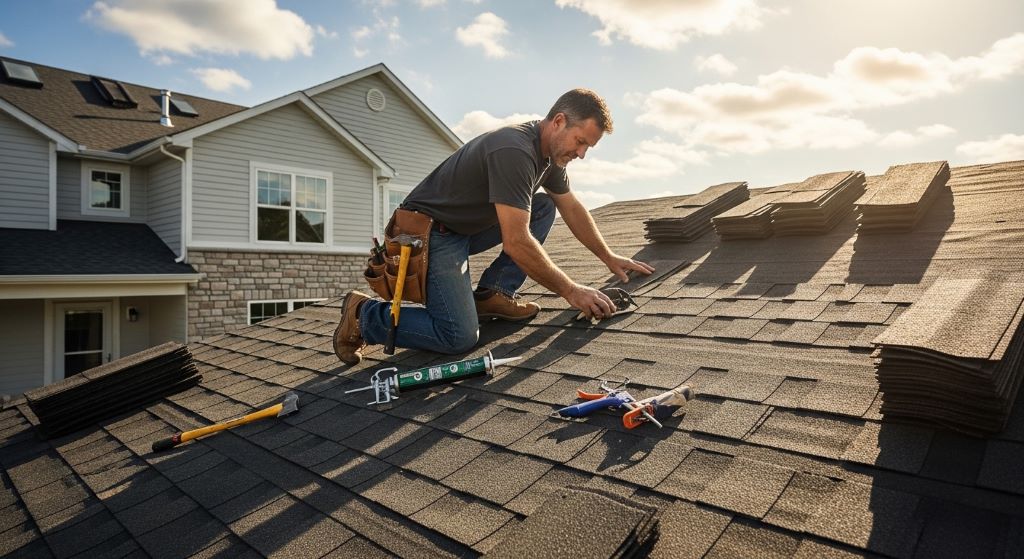
How to Choose the Best Roof Repair Materials for Long-Lasting Protection
Your roof is one of the most important parts of your home. It shields you from rain, wind, heat, and cold every single day. However, roofs do not last forever. Over time, they wear down, crack, or develop leaks. When that happens, choosing the right repair materials becomes critical.
Many homeowners feel lost when it comes to roofing decisions. There are so many products, brands, and options available. Therefore, knowing what to look for before you start can save you time, money, and a lot of frustration. This guide breaks it all down in simple terms so you can make a confident choice.
Why Choosing the Right Materials Matters
Not all roofing materials are created equal. Some last for decades with little maintenance. Others may look good at first but fail quickly under harsh weather. Additionally, the wrong material for your climate or roof type can make problems worse instead of better.
When you invest in quality repair materials, you protect your home for years to come. You also reduce the risk of water damage, mold, and structural problems. A good repair done right the first time is always cheaper than repeated fixes. Therefore, taking time to choose wisely is one of the smartest things you can do as a homeowner.
Understanding Your Roof Before You Buy Anything
Before you purchase a single material, you need to understand your roof. Different roofs have different needs. The slope, age, existing material, and local climate all play a role in what will work best.
Start by identifying what your roof is currently made of. Common types include asphalt shingles, metal panels, clay tiles, wood shakes, and flat membrane systems. Each of these materials requires a compatible repair product. Using the wrong one can cause adhesion problems, leaks, or even void your existing warranty.
Additionally, check the slope of your roof. Steep roofs shed water quickly and can handle a wider range of materials. Flat or low-slope roofs, however, need materials specifically designed to prevent pooling water. Choosing based on your roof type is the first step toward a lasting repair.
The Most Common Roof Repair Materials Explained
Asphalt Shingles
Asphalt shingles are by far the most popular roofing material in many parts of the world. They are affordable, easy to install, and available in a wide range of colors and styles. Furthermore, replacement shingles are easy to find at most hardware stores.
When repairing an asphalt shingle roof, it is important to match the existing shingles as closely as possible. Look for the same thickness, texture, and color. A mismatch can affect both the look and the performance of the repair. High-quality architectural shingles offer more durability than standard three-tab ones, so they are worth considering if you are replacing a larger section.
Metal Roofing Panels and Patches
Metal roofing is known for its strength and longevity. It handles heavy rain, strong winds, and even hail better than most other materials. Therefore, metal is an excellent choice for homeowners in areas with extreme weather.
For repairs, metal patches and sealants are commonly used. These come in aluminum, galvanized steel, or copper options. Make sure any patch you use is compatible with your existing metal type. Mixing certain metals can cause a chemical reaction that leads to corrosion over time. Additionally, use a roofing sealant designed specifically for metal to ensure a watertight bond.
Roofing Underlayment
Underlayment is the layer that sits between your roof deck and the outer material. It acts as a secondary barrier against water and moisture. Many homeowners overlook this layer during repairs, but it is just as important as the surface material.
There are three main types of underlayment: felt paper, synthetic underlayment, and self-adhering membrane. Synthetic underlayment is lightweight, durable, and resistant to tearing. Self-adhering membrane, sometimes called ice and water shield, is ideal for areas prone to heavy snow or ice. Choosing the right underlayment adds an extra layer of protection that can prevent serious water damage.
Roofing Cement and Sealants
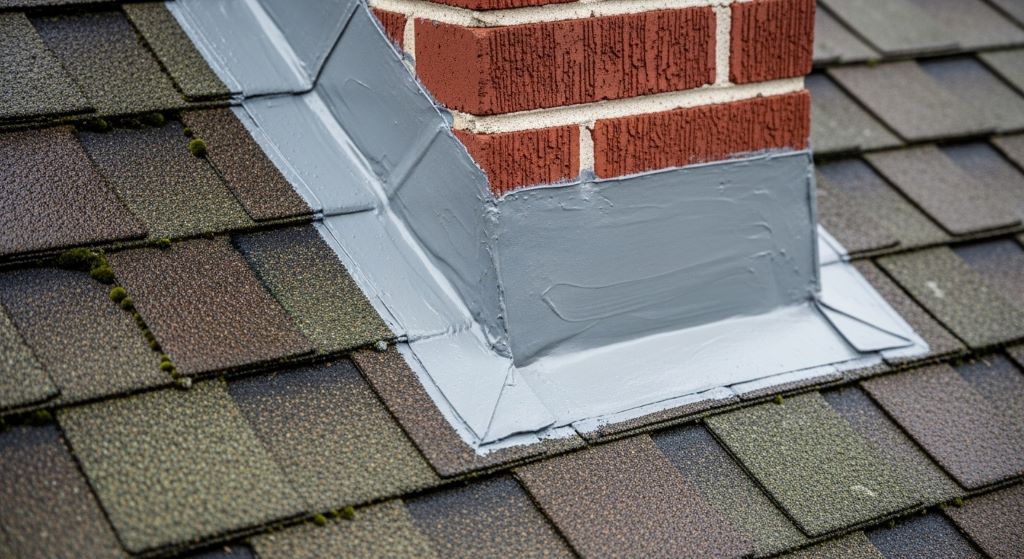
Roofing cement is a thick, tar-based material used to seal small cracks, gaps, and flashing edges. It is one of the most versatile products for a quick home roof fix. You can apply it around chimneys, vents, and skylights to stop leaks in their tracks.
Silicone and rubberized sealants are also popular for targeted repairs. They remain flexible after drying, which means they move with the roof as temperatures change. This flexibility is important because rigid sealants can crack when the roof expands and contracts. Look for products labeled as waterproof and UV-resistant for the best long-term results.
Clay and Concrete Tiles
Clay and concrete tiles are beautiful and incredibly durable. They are common in warmer climates and Mediterranean-style homes. However, they are also heavy and can be brittle if walked on incorrectly.
Repairing tile roofs requires careful matching of color and size. Tiles vary widely between manufacturers, so finding an exact match may take some effort. Additionally, the mortar used to secure ridge and hip tiles needs to be inspected regularly. Cracked or missing mortar is a common cause of leaks in tile roofs. Using the right tile adhesive or mortar during repair ensures a secure and weatherproof result.
Flat Roof Membranes
Flat roofs use membrane systems to create a watertight seal across the entire surface. The three most common types are EPDM (rubber), TPO, and modified bitumen. Each has its own repair method and compatible patching products.
EPDM roofs are repaired using rubber patches and special adhesive. TPO membranes require heat-welded patches for a proper bond. Modified bitumen is repaired with self-adhering patches or torch-applied sections. Using the wrong patch type on any of these systems can lead to seam failure and leaks. Therefore, always identify your membrane type before purchasing repair materials.
Key Factors to Consider When Choosing Repair Materials
Climate and Weather Conditions
Your local climate should heavily influence your material choice. If you live in an area with heavy rainfall, prioritize waterproof and mold-resistant products. In areas with extreme heat, choose materials with high UV resistance. For cold climates with snow and ice, look for products rated for freeze-thaw cycles.
Additionally, wind resistance is an important factor in storm-prone regions. Some shingles and panels are rated for specific wind speeds. Choosing materials with higher wind ratings can prevent future damage during severe weather.
Durability and Expected Lifespan
Different materials offer very different lifespans. Asphalt shingles typically last 20 to 30 years. Metal roofing can last 40 to 70 years with proper care. Clay tiles can last over 50 years in the right conditions. Understanding the expected lifespan of your repair material helps you plan for the future.
However, durability is not just about the material itself. Proper installation matters just as much. Even the best roofing materials will fail prematurely if installed incorrectly. Therefore, if the repair is large or complex, hiring a licensed roofing contractor is always a wise decision.
Compatibility with Existing Materials
This point cannot be overstated. New repair materials must be compatible with what is already on your roof. Incompatible materials can cause adhesion failure, chemical reactions, or moisture trapping. Always check manufacturer guidelines before purchasing.
Furthermore, consider the age of your existing roof. If your roof is near the end of its life, patching with high-quality materials may only delay the inevitable. In some cases, a full replacement using the best roofing materials available makes more financial sense than repeated repairs on an aging structure.
Cost and Value
Cost is always a consideration, but it should not be the only one. Cheap materials may save money upfront but often cost more in the long run due to frequent replacements and additional repairs. Spending a little more on quality products is usually worth it.
Think of your repair as an investment. A durable, well-chosen material protects not just your roof but everything beneath it. Additionally, a good repair can improve your home’s energy efficiency and even its resale value.
Practical Tips for a Successful Roof Repair
Keep these points in mind before and during any repair project:
- Always inspect your roof after major storms to catch damage early.
- Clean the repair area thoroughly before applying any sealant or patch.
- Work on dry days when temperatures are moderate for the best adhesion.
- Use safety equipment like harnesses and non-slip footwear when working at height.
- Store leftover materials properly so they remain usable for future touch-ups.
- Document your repair with photos in case you need them for insurance purposes.
When to Call a Professional
Some repairs are simple enough for a confident DIY homeowner. Replacing a few shingles, applying sealant around a vent, or patching a small area of flat roofing are tasks many people can handle. However, large-scale damage, structural issues, or anything involving the roof deck should be handled by a professional.
Additionally, if you are unsure about the type of material your roof uses or cannot safely access the roof, calling an expert is always the right call. A licensed roofer can assess the full extent of damage and recommend the most appropriate solution. The cost of professional advice is far less than the cost of a repair done wrong.
Conclusion
Choosing the right roof repair materials is not something to rush. Your roof protects everything you own and everyone you love. Therefore, it deserves careful attention and quality products.
Start by understanding your roof type, slope, and local climate. Then match your repair materials to what already exists on your roof. Consider durability, compatibility, and cost as you weigh your options. Whether you are doing a quick home roof fix or planning a larger renovation, the principles remain the same.
Quality materials, proper installation, and timely action are the three pillars of a long-lasting roof. When all three come together, your roof will keep protecting your home through every season for years to come.
Frequently Asked Questions
What are the most durable roofing materials for home repairs?
Metal roofing, clay tiles, and high-quality architectural asphalt shingles are among the most durable options. Metal can last up to 70 years, while clay tiles often exceed 50 years with proper care. The right choice depends on your climate, budget, and existing roof type.
Can I repair my roof myself, or should I hire a professional?
Small repairs like replacing a few shingles or applying sealant around vents are manageable for experienced DIYers. However, large damage, structural problems, or flat roof membrane repairs are best left to licensed professionals. Safety should always be the top priority.
How do I know if my roof needs a repair or a full replacement?
If your roof is less than 20 years old and damage is limited to a small area, a repair is usually sufficient. However, if you have widespread damage, persistent leaks, or your roof is approaching the end of its lifespan, a full replacement may be the more cost-effective choice in the long run.
What sealant works best for stopping roof leaks quickly?
Silicone-based and rubberized sealants work well for stopping leaks quickly. They stay flexible after drying and bond well to most roofing surfaces. Look for products labeled as waterproof and UV-resistant. For flat roofs, self-adhering patch kits offer a fast and reliable solution.
How often should I inspect my roof for damage?
It is recommended to inspect your roof at least twice a year, ideally in spring and autumn. You should also check after any major storm, heavy snowfall, or high winds. Early detection of small issues prevents them from turning into costly repairs down the line.
Related Topics:
How to Build a Door Frame in an Existing Wall: Complete Step-by-Step Guide for Homeowners
How Tall Is a Door Frame? Standard Measurements You Should Know









Post Comment