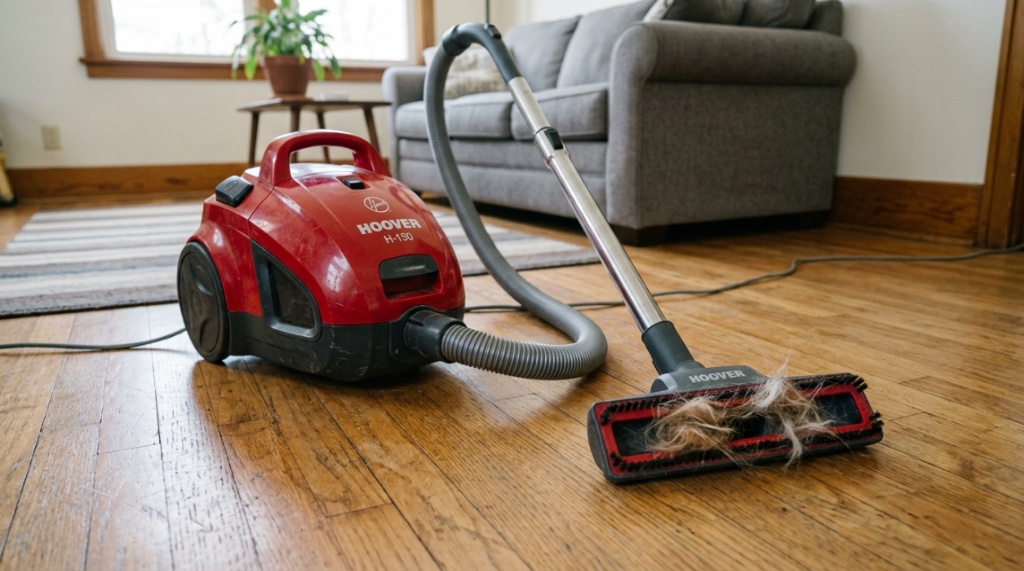
How to Clean Pet Hair with Budget Canister
You love your pets, but you’re exhausted from living in a fur-covered home. The couch looks like a golden retriever exploded on it, and no matter how often you sweep, the hair keeps reappearing. Worse, you think you need to spend hundreds on a high-end machine to make a dent. That’s where a smart approach comes in. Learning how to clean pet hair with Budget Canister strategies isn’t about cutting corners—it’s about working smarter. The right affordable machine and technique can pull embedded fur from carpets and upholstery without emptying your wallet. This guide delivers a complete, actionable system for tackling pet hair on a budget, from choosing the right tool to mastering daily cleaning routines.
What Makes a Budget Canister Vacuum Effective for Pet Hair?
A budget canister vacuum effectively handles pet hair when it combines strong suction, a well-sealed filtration system, and the right set of attachments. Price does not always equal performance. Many affordable models now feature cyclonic technology and HEPA-style filters that rival costly machines. The key is to prioritize features that directly combat pet dander, fur, and the inevitable mess of shedding season.
Suction Power and Airflow Ratings
Look for a motor with at least 12 amps or a recorded air wattage above 200. Budget models often have smaller motors, but good engineering compensates with optimized airflow. Read reviews that mention real-world performance on carpet and upholstery, not just spec sheets. A vacuum that maintains strong suction as the bin fills is worth its weight in gold for pet owners.
Filtration Matters for Allergies
Pet dander is microscopic. A budget vacuum that lacks proper filtration will blow allergens back into the room. Seek machines with sealed systems and HEPA or HEPA-type filters. Even a washable foam filter can be effective if cleaned regularly. Avoid models that rely solely on a porous cloth bag, as these quickly clog with fine pet dust, reducing suction and performance.
Attachment Versatility
The body of the canister is useless without the right tools. An effective pet hair budget canister must include a motorized turbo brush or a dedicated pet upholstery tool. Also essential are a crevice tool and a dusting brush. These attachments allow you to transition seamlessly from hardwood floors to curtains to the deep crevices of a sofa where fur hides.
Why Choose a Canister Style Over an Upright for Pet Fur?
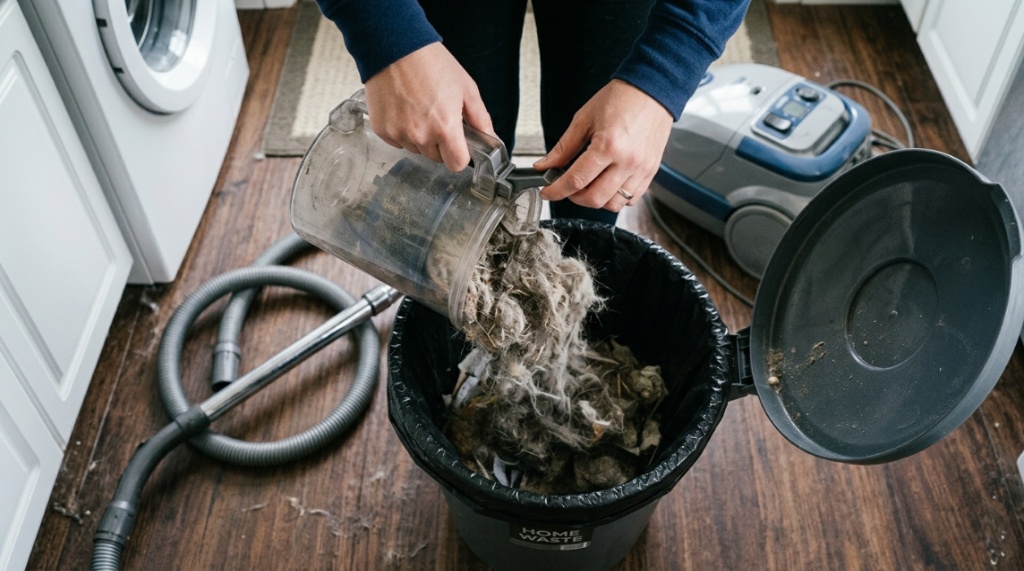
Canister vacuums offer distinct advantages for pet owners, primarily superior maneuverability and easier access to tricky areas. Uprights are powerful but bulky. A canister’s separated motor and cleaning head let you reach under low furniture, clean stairs without wrestling a heavy machine, and use attachments without fighting a cumbersome wand. This flexibility makes daily pet hair removal quicker and less physically demanding.
Superior Stair Cleaning
Pet hair accumulates heavily on stairs. With an upright, you often have to balance the machine or drag it up each step. A canister sits safely on the landing while you carry the hose and power head down the steps. This simplifies a typically frustrating chore and reduces the physical effort required to keep staircases free of fur.
Under Furniture Access
Hair rolls into dust bunnies under sofas, beds, and low tables. An upright often can’t slide completely under these items. A canister’s low-profile floor head and long hose reach deep into these hiding spots. You can clean an entire room without moving heavy furniture, saving time and your back.
Handling Hard Floors and Area Rugs
Many households mix hard flooring with area rugs. A canister vacuum excels here. You can turn off the brush roll for bare floors to prevent scattering debris, then instantly switch to a turbo brush for a rug. This adaptability prevents you from needing two separate machines, which is a major benefit when you are on a tight budget.
How to Prepare Your Home for Efficient Pet Hair Removal
Before you even turn on the vacuum, preparation cuts cleaning time in half. A few quick steps loosen deep-seated hair and make the vacuum’s job easier. This prep work is especially crucial when using a budget machine, as it helps maximize the performance of moderate suction power. Spend two minutes on these steps to save ten minutes of vacuuming.
Dry Dusting and Lint Rolling First
Use a rubber broom, squeegee, or a simple dry microfiber mop to agitate carpets and upholstery before vacuuming. This loosens hair that is woven into the fibers. For pet beds and furniture cushions, a rapid pass with a sticky lint roller pulls up surface fur that the vacuum might otherwise skip or blow around. This combination is incredibly effective on budget machines.
Reduce Static Cling
Pet hair clings to surfaces due to static electricity. Lightly misting upholstery with a mixture of water and a tiny amount of fabric softener (test in an inconspicuous area first) reduces static grip. Alternatively, simply rubbing a dryer sheet over the fabric before vacuuming works wonders. This low-cost trick drastically improves how effectively your canister picks up hair from furniture.
Manage the Airflow Path
Close doors to the room you are cleaning. This prevents stirred-up dander and hair from floating into other parts of the house. Turn off ceiling fans and window unit fans while you vacuum. A still environment allows the vacuum’s suction to pull particles directly into the nozzle instead of having them scatter across the room.
Which Attachments Are Non-Negotiable for Pet Hair?
Using the wrong attachment is the number one reason people fail at cleaning pet hair on a budget. The floor head that comes with the vacuum may not be optimized for fur. You must identify and use the correct tools for each surface. A budget canister vacuum pet hair package often includes these essential tools, but knowing how to deploy them is the real skill.
The Motorized Pet Turbo Brush
This is your primary weapon against embedded fur on carpets and rugs. The rotating brush agitates the carpet fibers, flicking loose hair into the suction path. Without a motorized brush, a canister vacuum struggles to pull deeply embedded fur from medium or high-pile carpets. If your budget canister does not include one, consider buying a compatible third-party brush.
The Crevice Tool for Hidden Hair
Pet hair accumulates in the corners of rooms, along baseboards, and between couch cushions. The crevice tool directs concentrated suction into these narrow spaces. Use it systematically around every room after your main pass. This simple addition captures the fine fur that the main head misses, resulting in a genuinely clean floor.
The Upholstery Nozzle with Rubber Fins
Standard upholstery brushes can push hair around. Look for a nozzle with rubber or silicone fins instead of bristles. Rubber creates friction that lifts hair from fabric. Run this tool slowly over sofas, chairs, and car seats. The hair will gather into visible clumps at the front of the nozzle, which you can then pick up with the vacuum.
Can a Budget Canister Handle High-Pile Carpet and Thick Rugs?
Yes, but with careful technique and realistic expectations. A budget canister may not have the brute power of a premium model, but it can still clean high-pile carpets effectively. The key is to adjust your approach. Slower passes, proper brush height adjustment (if available), and frequently emptying the bin compensate for lower suction, allowing you to extract a surprising amount of pet hair.
Adjust Your Vacuuming Pace
Speed is the enemy of deep cleaning on high-pile carpet. When using a budget canister, slow your movement to half your normal pace. Pull the floor head backward slowly so the brush has time to agitate the fibers. A single slow, deliberate pass removes far more hair than two quick passes. This is the single most effective technique for improving results on thick rugs. If you are looking for heavier-duty options beyond budget models, check out our guide on the best Vacuum for Pet Hair in WA to find local store availability and top-rated heavy-duty machines.
Empty the Bin Frequently
Budget machines have smaller dirt bins, typically 1.5 to 2.5 liters. Pet hair fills these bins quickly. Once the bin is half full, suction noticeably drops. Pause every few minutes to empty the bin into a trash bag. This constant maintenance keeps the airflow strong and ensures the vacuum maintains peak cleaning performance on deep carpet.
Layer Your Cleaning Passes
One pass will not remove all pet hair from thick carpet. Make a first pass in a horizontal direction, then a second pass vertically. This cross-hatch pattern loosens and captures hair from different angles. On budget machines, this layered approach is far more effective than a single exhaustive effort, as it compensates for lower peak agitation power.
What Is the Best Daily Routine for Pet Hair Control?
Consistency beats intensity. A quick five-minute daily session with your budget canister prevents hair from building into unmanageable clumps. A structured routine keeps your home looking clean and reduces the workload of your weekly deep clean. This routine is designed to be fast and efficient, requiring only the hose and a couple of attachments.
Morning Surface Sweep
Start your day by moving furniture cushions and using the upholstery nozzle to give the main sitting areas a ten-second pass. Focus on the spots where your pet sleeps or lays. This quick action captures the loose surface hair before it embeds into the fabric. Do this while your coffee brews, and it becomes a sustainable habit.
Evening Floor Patrol
Before you settle in for the evening, attach the floor tool and run a single lap around the main traffic areas and the pet’s favorite spots. Do not aim for perfection. Just capture the visible clumps and dust bunnies. This two-minute task prevents the hair from being tracked throughout the house and keeps the eye-level look of your floors clean.
Weekly Deep Dives
Once a week, dedicate fifteen minutes to a full-room vacuum. Use the motorized brush on all carpets. Move furniture slightly. Use the crevice tool around baseboards and under the sofa. This weekly session is where your budget canister truly proves its value, pulling the deeply embedded hair that the daily routines missed.
How to Maintain Your Budget Canister for Longevity
Pet hair is destructive to vacuum components. It wraps around brush rolls, clogs filters, and fills bins. A budget machine requires more proactive care than an expensive model. Proper maintenance ensures consistent performance and extends the life of the vacuum. Neglecting these steps leads to rapid breakdowns and poor cleaning results, making the machine feel like a wasted investment.
Clean the Brush Roll Weekly
Hair and string wrap tightly around the rotating brush. This stops the brush from agitating carpet, destroying cleaning performance. Once a week, use scissors or a seam ripper to cut and remove all wrapped debris. A free-spinning brush is essential for deep pet hair extraction, especially on a budget machine with modest motor power.
Wash or Replace Filters on Schedule
Clogged filters are the most common cause of suction loss. Washable foam filters should be rinsed every month and completely dried for 24 hours before reinserting. Disposable HEPA filters need replacement every three to six months, depending on use. Set a calendar reminder. A clean filter is the cheapest and most effective upgrade you can give your budget canister.
Check the Hose for Clogs
Pet hair can form dense plugs inside the hose, especially near the connection points. If you notice a sudden drop in suction at the nozzle, disconnect the hose and shine a flashlight through it. Use a broom handle or a long, flexible plumber’s snake to push out the obstruction. Clearing the hose restores full suction instantly.
Frequently Asked Questions
Do budget canister vacuums work on hardwood floors with pet hair?
Yes, they work excellently on hardwood floors. Most budget canisters include a brush roll shut-off or a hard floor setting. The powerful direct suction and smooth floor head glide easily across hardwood, picking up pet hair without scattering it, often outperforming upright vacuums on smooth surfaces.
How often should I change the bag on a budget canister vacuum?
If your budget canister uses a bag, replace it when it is about two-thirds full. Pet hair and dander quickly fill bags, reducing airflow. Changing the bag frequently is more cost-effective and better for performance than waiting until it is completely packed, which puts strain on the motor.
Is a motorized brush head necessary for pet hair on carpet?
Yes, it is highly recommended for medium to high-pile carpet. A motorized brush agitates the carpet fibers to dislodge embedded hair. Without it, a budget canister will only pick up surface-level hair, leaving the deeply embedded fur behind. It is the single most important attachment for carpeted homes with pets.
Can a cheap canister vacuum pick up pet hair from car interiors?
Absolutely. The compact hose and attachments of a canister are ideal for car cleaning. Use the crevice tool for seat cracks and the upholstery nozzle for fabric seats. The portability of the canister body makes it easy to place on the ground while you clean the interior, which is much harder with a bulky upright.
What is the biggest mistake people make with budget pet vacuums?
The biggest mistake is ignoring filter and brush roll maintenance. Many users assume a new budget machine will work forever without care. Pet hair clogs these components quickly, leading to poor suction and eventual motor failure. Simple, consistent maintenance is the difference between a machine that lasts years and one that breaks in months.
Are bagless budget canisters better for pet hair than bagged models?
Bagless models are often preferred for pet hair because you can see the bin filling and notice clogs immediately. They also save the ongoing cost of replacement bags. However, they require more frequent filter washing. Bagged models contain allergens better but can get expensive. For a strict budget, a bagless canister with a washable filter is usually the better choice.
How do I stop pet hair from wrapping around the brush roll?
Regular cutting is the only real solution. Some higher-end budget models have self-cleaning brush rolls, but on standard models, you must manually remove hair. Check the brush roll immediately after each use while the hair is still loose. A quick once-over with scissors every few days prevents heavy tangles from forming.
Conclusion
Living with pets doesn’t have to mean living with a fur-covered home, even on a strict budget. By understanding how to clean pet hair with Budget Canister techniques—choosing the right machine, using the correct attachments, and committing to a simple daily routine—you can maintain a genuinely clean and allergen-free living space. The secret is not the price tag of the vacuum, but the consistency of your approach and the care you give your tools. Stop believing you need to spend a fortune. Apply the strategies in this guide, and your budget canister will become the most valuable pet care tool you own. Start your new cleaning routine today and reclaim your furniture, floors, and peace of mind.









Post Comment