Your Air Con Energy Costs Explained
Air conditioning running costs depend more than just the price of the air conditioning unit itself. With a few simple changes to how you set up and run your air conditioning you can make massive savings on your electricity bill.
How Running Cost Is Worked Out
Running costs are calculated by multiplying the number of kilowatt hours (kWh) that your air conditioning unit uses by the price you pay for each unit of electricity per kWh. Citizens Advice explains how the price you pay for electricity is worked out. Once you know how much it costs to run your air conditioning, you can compare it with other ways of keeping cool.
What SEER And EER Ratings Tell You
SEER and EER (Seasonal Energy Efficiency Ratio / Energy Efficiency Ratio) are efficiency ratings for air conditioners that give an indication of how much cooling is achieved per unit of power consumed. This is often used as a comparison of different models and makes. A higher rated model may cost more to purchase but in the long run it will be cheaper to run, often within a few years to make up for the higher initial cost.
Set The Thermostat Sensibly
There’s a temptation to drop the temperature to the lowest setting on the unit on hot days, but the extra electricity used to achieve each degree below 21-24°C will far outweigh any comfort gained. Reducing the temperature by 2-3 degrees below this range can significantly increase consumption.
Choose Inverter Units Where You Can
Fixed-speed air conditioners work by switching them on and off, whereas Inverter units vary the amount of cooling they produce to maintain a set temperature. This steady running can result in less power being consumed over a season than the switching on and off of a fixed-speed model, even though they may have similar nominal ratings. See also Air conditioning Gloucester.
Keep Filters And Outdoor Units Clear
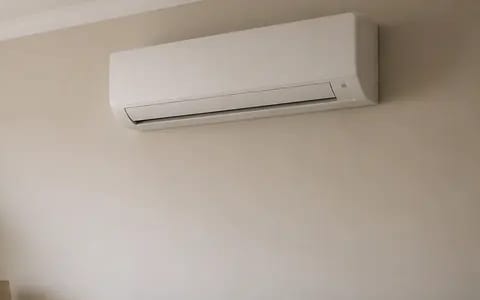
A dirty filter increases air resistance that must be overcome by the air-conditioner, and a blocked outside unit prevents heat from being released from the room. In both cases, the air-conditioner is made to work harder to provide the same quantity of cooled air, and consequently increased amounts of electricity are used to maintain the temperature in the room.
Block The Heat Before It Gets In
Every degree of cooling that your air con has to produce costs money. Therefore reducing the heat before it enters the room saves money. For example closing curtains or blinds during the hottest part of the day will stop a lot of heat entering the room. External shading to south-facing windows is another method of preventing heat entering a room before it switches on.
Use Timers And Smart Thermostats
By switching off an air conditioner an hour before a room is empty overnight or at weekends it is possible to save lots of electricity with very little effort. Using a simple timer or even a smart thermostat that can learn to control your air conditioners and heating to switch off when you’re not in the building or not needed, can also help save lots of money on your electricity bills.
Match The Unit To The Room
An oversize air conditioner does not cool quicker, merely consumes more power to provide excess cooling that is not required. So if you are looking for air conditioning in Gloucester for a home or small office then make sure you get quotes that include the running costs of the air conditioners on offer and do not just go for the lowest price install.
Running costs of air conditioning systems are best determined by choosing the right air conditioning unit to cool the right room area, keeping it clean and stopping it from being asked to cool heat which has entered the room via obvious means of heat ingress.











Post Comment