Home Garden Flower Care Guide for Portland, OR Plant Lovers
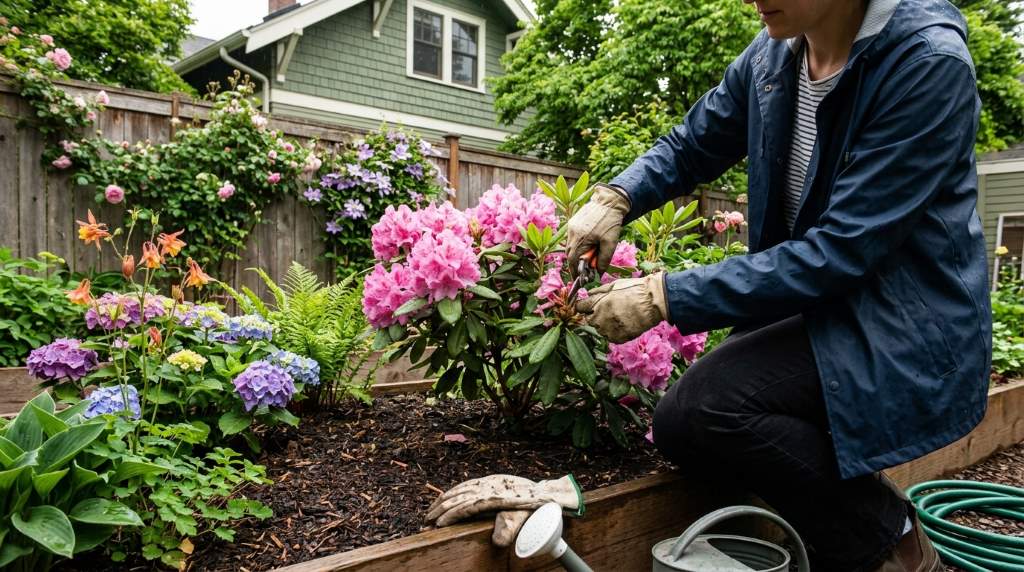
Gardening in Portland offers a rewarding experience thanks to its mild climate and long growing season. Studies show that over 55% of U.S. households engage in gardening activities, with flower gardening ranking among the most popular hobbies. Portland’s unique weather patterns, including wet winters and dry summers, make it ideal for diverse flowering plants when managed correctly. While exploring flower care, many gardeners also discover niche practices like the benefits of deadheading hyacinths, which improve bloom longevity. This guide focuses on practical, region-specific strategies to help Portland plant lovers maintain vibrant home gardens. By following these tips, you can grow healthier flowers and enjoy consistent blooms year-round.
Understanding Portland’s Climate for Flower Gardening
Portland falls within USDA Hardiness Zone 8b, which allows for a wide range of flowering plants to thrive. Winters are typically cool and wet, while summers remain warm and relatively dry, creating a balanced environment for both perennials and annuals. Because rainfall is concentrated between October and May, gardeners must adjust watering habits during summer months. Additionally, cloudy conditions dominate much of the year, which impacts sunlight exposure for certain flower species. Therefore, selecting plants suited to partial sun or filtered light often yields better results. Understanding these climate patterns helps gardeners make informed planting and maintenance decisions.
Choosing the Right Flowers for Portland Gardens
Selecting the right flowers is essential for long-term success in Portland gardens. Native and climate-adapted plants tend to require less maintenance and perform better throughout the seasons. Popular choices include roses, lavender, echinacea, and Oregon iris, all of which tolerate the local weather well. Additionally, annuals like petunias and marigolds add seasonal color and thrive in summer conditions. When choosing plants, consider bloom time, sunlight needs, and soil compatibility to ensure optimal growth. A thoughtful selection process reduces effort while maximizing garden beauty.
Best Perennials for Portland
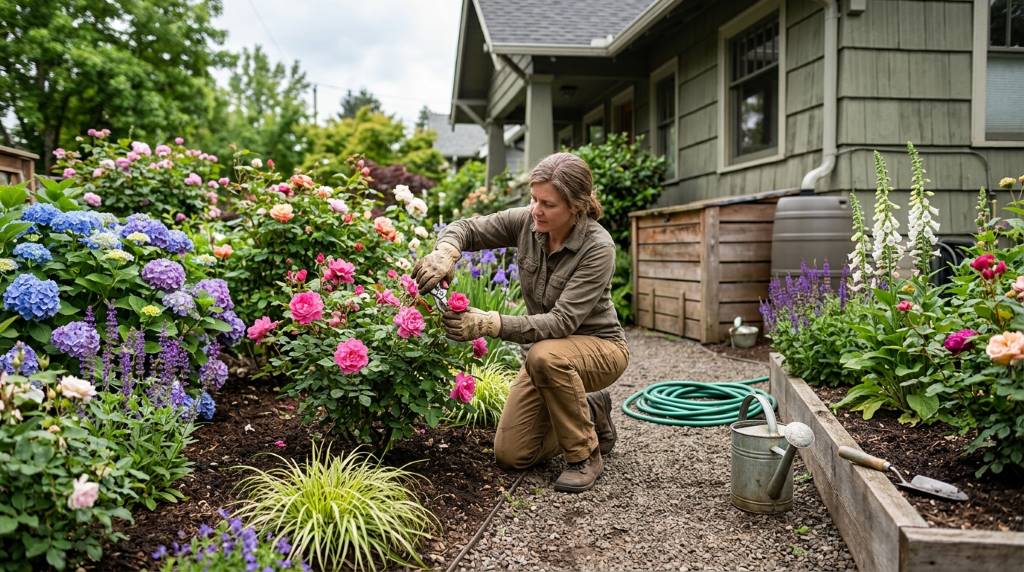
Perennials provide lasting value because they return year after year with minimal replanting. In Portland, reliable options include black-eyed Susan, salvia, and daylilies due to their adaptability. These plants handle wet winters and dry summers with proper care and mulching. Moreover, perennials often develop stronger root systems over time, making them more drought-resistant. Gardeners should space them appropriately to allow airflow and prevent fungal diseases. Choosing perennials suited to local conditions ensures consistent blooms and lower maintenance.
Best Annuals for Seasonal Color
Annual flowers offer vibrant color and flexibility for garden design. In Portland, zinnias, cosmos, and impatiens perform well depending on sunlight exposure. Since annuals complete their life cycle in one season, they allow gardeners to experiment with new color schemes each year. However, they require regular watering and fertilization to maintain their appearance. Planting annuals after the last frost date ensures optimal growth conditions. With proper care, they can provide continuous blooms throughout the summer.
Soil Preparation and Improvement
Healthy soil forms the foundation of a successful flower garden. Portland’s soil often contains clay, which can retain water and limit root oxygen if not managed properly. To improve drainage, gardeners should mix in organic matter such as compost or aged manure. Additionally, testing soil pH helps determine whether amendments like lime or sulfur are needed. Most flowering plants prefer slightly acidic to neutral soil conditions for optimal nutrient absorption. Regular soil maintenance ensures plants receive the nutrients they need to thrive.
Watering Techniques for Portland Gardens
Watering practices must adapt to Portland’s seasonal changes to maintain plant health. During the rainy months, natural precipitation often meets most watering needs, reducing manual effort. However, summer drought conditions require consistent irrigation, especially for shallow-rooted flowers. Deep watering encourages stronger root growth and improves drought resistance over time. Drip irrigation systems work well because they deliver water directly to the soil while minimizing evaporation. By adjusting watering techniques, gardeners can prevent both overwatering and drought stress.
Sunlight Management in Cloudy Conditions
Portland’s frequent cloud cover presents unique challenges for flower gardeners. While some plants require full sun, many thrive in partial shade or diffused light conditions common in the region. Positioning plants strategically within the garden helps maximize available sunlight exposure. For example, placing sun-loving flowers in south-facing areas improves their growth potential. Additionally, trimming nearby trees or shrubs can increase light penetration. Proper sunlight management ensures healthier plants and more vibrant blooms.
Fertilizing for Strong Growth
Fertilization plays a key role in maintaining flower health and productivity. Organic fertilizers, such as compost tea or fish emulsion, provide slow-release nutrients that support long-term growth. In Portland, applying fertilizer during the active growing season yields the best results. Over-fertilizing, however, can lead to excessive foliage growth at the expense of blooms. Therefore, gardeners should follow recommended application rates for each plant type. Balanced fertilization promotes strong stems, vibrant colors, and longer flowering periods.
Seasonal Flower Care Tips
Each season requires different gardening practices to keep flowers thriving in Portland’s climate. In spring, focus on planting, pruning, and soil preparation to establish strong growth. Summer care involves consistent watering, deadheading, and pest monitoring to maintain blooms. During fall, gardeners should prepare plants for winter by cutting back perennials and adding mulch. Winter tasks include protecting sensitive plants and planning for the next growing season. Following seasonal care routines ensures year-round garden success.
Pest and Disease Management
Pests and diseases can impact flower health if left unmanaged. Common issues in Portland include aphids, slugs, and fungal infections due to moisture. Regular inspection helps identify problems early before they spread throughout the garden. Natural solutions, such as neem oil or introducing beneficial insects, provide effective pest control without harming the environment. Additionally, proper spacing and airflow reduce the risk of fungal diseases. Proactive management keeps plants healthy and minimizes damage.
Mulching for Moisture Retention
Mulching is a simple yet effective way to improve garden performance. In Portland’s dry summers, mulch helps retain soil moisture and reduce watering frequency. Organic mulches, such as bark chips or straw, also improve soil quality as they decompose. Furthermore, mulch suppresses weed growth, reducing competition for nutrients. Applying a 2–3 inch layer around plants provides optimal benefits without suffocating roots. Consistent mulching supports healthier, more resilient flowers.
Pruning and Deadheading Techniques
Pruning and deadheading play a critical role in maintaining plant health and encouraging new blooms. Removing spent flowers redirects energy toward producing additional blossoms. In Portland, regular deadheading during the growing season significantly improves flower appearance. Pruning also helps control plant size and shape while promoting better airflow. Using clean, sharp tools prevents disease transmission between plants. Proper techniques ensure vigorous growth and continuous flowering.
Container Gardening for Small Spaces
Container gardening offers flexibility for those with limited outdoor space in Portland. Pots allow gardeners to control soil quality, drainage, and plant placement more easily than ground planting. Flowers like geraniums, begonias, and pansies thrive in containers with proper care. However, container plants require more frequent watering due to faster soil drying. Choosing the right pot size and material helps maintain consistent moisture levels. With thoughtful planning, container gardens can be just as vibrant as traditional beds.
Designing a Visually Appealing Flower Garden
A well-designed flower garden combines color, texture, and height for maximum visual impact. In Portland, layering plants based on height creates depth and interest within the garden. Combining perennials and annuals ensures year-round color and variety. Additionally, grouping plants with similar care requirements simplifies maintenance. Using pathways or borders helps define garden spaces and improve accessibility. Thoughtful design enhances both aesthetics and functionality.
Native Plants and Sustainability
Incorporating native plants into your garden supports local ecosystems and reduces maintenance needs. Native flowers are adapted to Portland’s climate, requiring less water and fertilizer than non-native species. They also attract pollinators such as bees and butterflies, which benefit the environment. Sustainable gardening practices, including composting and water conservation, further enhance garden health. By choosing native plants, gardeners contribute to ecological balance while enjoying beautiful blooms. Sustainability ensures long-term success for both gardens and the environment.
Related:
Unearth the Magic: Why You Need a Garden Journal in 2025
The Hori Hori Knife: Your Spring Garden Companion
Common Mistakes to Avoid
Avoiding common gardening mistakes can save time and improve results. Overwatering is a frequent issue in Portland due to already moist conditions during much of the year. Planting flowers without considering sunlight requirements can lead to poor growth and limited blooms. Neglecting soil preparation often results in weak root systems and nutrient deficiencies. Additionally, overcrowding plants increases the risk of disease and reduces airflow. Learning from these mistakes helps gardeners achieve better outcomes.
Tools Every Portland Flower Gardener Needs
Having the right tools makes flower care more efficient and enjoyable. Essential tools include pruning shears, watering cans, and garden gloves for daily maintenance tasks. A soil tester helps monitor pH levels and nutrient content, ensuring optimal conditions for plant growth. Additionally, a quality hose or irrigation system supports consistent watering during dry periods. Investing in durable tools saves time and reduces effort over the long term. Proper equipment contributes to a smoother gardening experience.
Conclusion
Creating a thriving flower garden in Portland requires understanding the local climate and applying consistent care practices. By choosing suitable plants, improving soil quality, and managing water effectively, gardeners can enjoy vibrant blooms throughout the year. Regular maintenance, including pruning, fertilizing, and pest control, ensures long-term success. Start implementing these strategies today to transform your garden into a colorful, healthy space. Take action now by planning your next planting season and applying these proven techniques.
FAQs
What flowers grow best in Portland, OR?
Perennials like lavender, roses, and echinacea grow well due to the mild climate and balanced rainfall.
How often should I water flowers in Portland?
Water deeply once or twice a week in summer, but reduce watering during rainy months.
When is the best time to plant flowers in Portland?
Spring, after the last frost, is ideal for most flowers to establish strong roots.
How do I improve clay soil in Portland gardens?
Add compost or organic matter to improve drainage and nutrient availability.
Do flowers need fertilizer in Portland?
Yes, use balanced fertilizer during the growing season to promote healthy blooms.









Post Comment