
How to Pick a Pillow for Back Pain in Washington
Waking up with a stiff lower back is more than just an inconvenience—it derails your entire day. If you live in Washington, from the rainy streets of Seattle to the dry climate of Spokane, you know that staying active is essential. Yet, chronic back pain often starts not from an injury but from poor alignment during sleep.
A subpar pillow forces your spine into a twisted curve, straining muscles and discs for hours. The frustration of trying five different pillows and still waking up in pain is real. This guide cuts through the noise to help you choose the right pillow for back pain Washington residents trust, focusing on cervical support, material density, and sleep position science.
What Makes a Good Pillow for Back Pain Different from a Regular Pillow?
A standard pillow is designed for comfort; a therapeutic pillow is engineered for spinal alignment. The difference lies in maintaining the natural S-curve of your spine while you sleep.
How Spinal Alignment Differs with Support Pillows
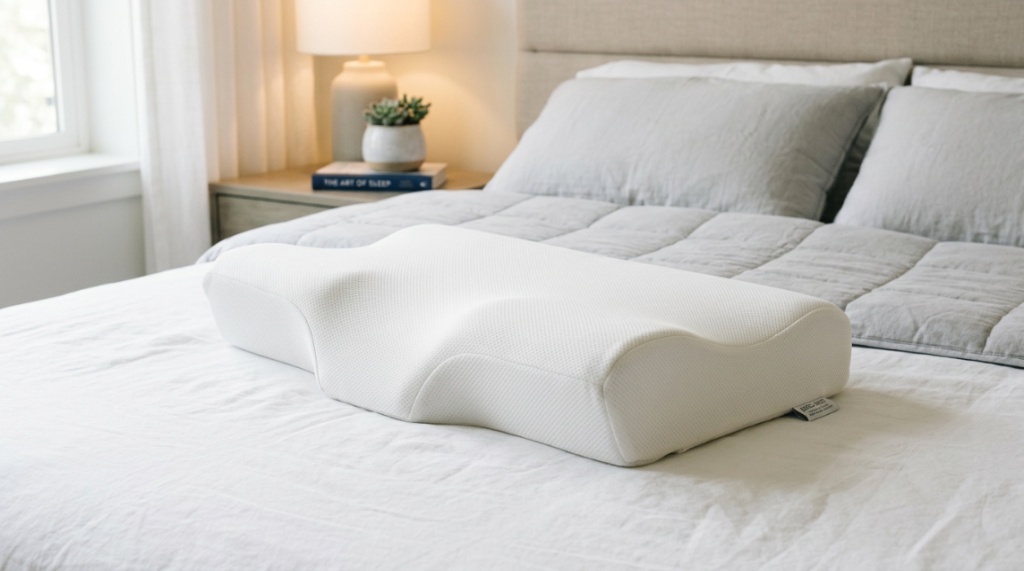
When you lie on your back with a standard fluffy pillow, your head often tilts upward or sideways, breaking the neutral line from your ears to your hips. A quality support pillow uses a contoured or ergonomic shape to fill the gap between your neck and the mattress, keeping your cervical spine in a straight line with your thoracic spine. This reduces pressure on the nerves and discs that cause radiating back pain.
Why Loft Height Matters More Than You Think
Loft refers to the pillow’s height when compressed under your head. For back sleepers, a medium loft (3–5 inches) keeps the head aligned with the torso. Side sleepers need a high loft (5–6 inches) to fill the distance from ear to shoulder. Stomach sleepers require a low loft (1–2 inches) to avoid hyperextension. A wrong loft creates a domino effect of misalignment that travels straight to your lower back.
Firmness vs. Softness: Which Wins for Pain Relief?
Medium-firm pillows typically provide the best support for back pain. Soft pillows collapse under pressure, letting your head sink and misalign. Ultra-firm pillows push the head too far forward. The ideal balance is a pillow that feels stable when you press it but has enough give to contour to your neck’s natural curve.
Why Does Your Sleep Position Change the Pillow You Need?
Your dominant sleep position dictates the exact shape, loft, and material your pillow must have to prevent morning back pain.
Back Sleepers: The Critical Neck Cradle
If you sleep on your back, your pillow must support the cervical lordosis (the inward curve of your neck). A contoured memory foam pillow with a central dip cradles the head while a raised rim supports the neck. Avoid thick pillows that push your chin toward your chest, which strains the upper back and triggers lower back compensation pain.
Side Sleepers: Bridging the Shoulder Gap
Side sleeping requires the highest loft because your shoulder width creates a gap between your head and the mattress. For side sleepers with back pain, a pillow with a gusseted edge (a side wall that maintains height) is essential. This keeps the spine horizontal and prevents the top leg from pulling the pelvis out of alignment.
Stomach Sleepers: The Minimalist Approach
Stomach sleeping is the hardest position on your lower back. You need an almost flat pillow—or no pillow at all. A very thin latex or down alternative pillow under the head, combined with a flat pillow under the stomach, can reduce lumbar arching and help prevent strain.
Which Materials Offer the Best Support for Back Pain Relief?
Not all pillow fills are equal. The material determines how well the pillow supports, cools, and lasts.
Memory Foam: Conforms and Supports
Memory foam is the gold standard for pressure relief. It molds to the exact shape of your head and neck, distributing weight evenly. Shredded memory foam offers adjustability—you can remove or add filling to customize loft. However, traditional memory foam retains heat, which can disrupt sleep quality.
Latex: Responsive and Resilient
Natural latex is bouncier than memory foam and pushes back against your head, offering active support. It is cooler, hypoallergenic, and maintains its shape for years. For back pain sufferers who toss and turn, latex provides consistent support in any position.
Down and Down Alternative: Pros and Cons for Pain
Down pillows are soft and luxurious but lack the structured support needed for chronic back pain. They compress easily and lose loft overnight. Down alternative pillows can be better if they have a high fill power and are used primarily by stomach sleepers who need minimal lift. For most back pain cases, these materials are insufficient.
How Does Your Mattress Affect Which Pillow You Should Choose?
Your mattress is the foundation. If it is too soft or too hard, your pillow must compensate to maintain alignment.
Soft Mattress: Lower Loft Needed
When you sink into a soft mattress, your head drops closer to the surface. You need a pillow with a lower loft to prevent your head from being propped too high. A medium-soft latex or low-profile memory foam pillow works best.
Firm Mattress: Higher Loft Expected
A firm mattress keeps your body on top of the surface. The gap from mattress to ear is larger, so you need a higher loft pillow. A gusseted memory foam or latex pillow with a 5-inch loft will fill that gap and keep the spine neutral.
Adjustable Air Beds: Variable Needs
If you use an adjustable air bed, your pillow needs must be equally adjustable. Shredded memory foam pillows that allow you to add or remove fill are ideal. You can fine-tune the loft each night based on how the mattress feels.
What Specific Factors Should Washington Residents Consider?
Local climate, humidity, and lifestyle in Washington State influence pillow material performance and longevity.
Humidity and Pillow Durability
Washington’s coastal regions and frequent rain result in higher indoor humidity. Memory foam and down pillows can trap moisture, leading to mold, mildew, or dust mites. Choose pillows with breathable, moisture-wicking covers and natural latex cores, which resist moisture absorption better than synthetic foams.
Seasonal Allergy Considerations
Pollen and mold spores are prevalent in Washington from spring through fall. Hypoallergenic pillows made from latex or CertiPUR-US certified foams reduce allergen buildup. Washable covers made of bamboo or organic cotton also help keep allergens at bay.
Active Lifestyle Needs for Hikers and Workers
Many Washington residents enjoy hiking, skiing, or standing occupations. These activities place high demands on spinal recovery. A pillow that supports deep sleep and muscle recovery is vital. Look for pillows with a cooling gel layer to regulate temperature, as cool sleep environments improve deep sleep cycles necessary for tissue repair.
Can a Cervical Pillow Really Fix Your Morning Back Pain?
A cervical pillow is designed specifically to support the neck’s natural curve, and for many people, it directly reduces morning back pain.
How Cervical Pillows Work
Cervical pillows feature a contoured shape with a deeper central well for the head and elevated sides for the neck. This design prevents the head from rotating or tilting, which relieves tension in the trapezius and upper back muscles. Less tension in the upper back reduces compensatory strain in the lower back.
Potential Adjustment Period
Switching to a cervical pillow may feel uncomfortable for the first three to seven nights. Your neck muscles need time to release chronic tension. Start by using the pillow for half the night, then increase usage. Persistent discomfort may indicate the loft is wrong, so choose an adjustable version.
When a Cervical Pillow Is Not Enough
If you have severe disc herniation, spinal stenosis, or sciatica, a pillow alone cannot fix the problem. Combine a cervical pillow with a supportive mattress, proper sleeping posture (use a knee pillow for side sleeping), and consult a healthcare provider. The pillow is a tool, not a cure.
How Do You Test a Pillow for Back Pain Before Buying?
You cannot truly know if a pillow works until you sleep on it, but you can perform simple evaluations at home or in a store.
The Standing Alignment Test
Stand against a wall with your head, shoulders, and heels touching. Have someone measure the distance from the wall to the back of your neck. This measurement approximates the ideal pillow loft for back sleep. For side sleep, measure from the tip of your ear to the outside of your shoulder.
The Doorway Stretch Simulation
Place the pillow on a firm surface. Lie down on your back and slide your hand under your lower back. If you can easily slide your hand in and out without moving your spine, the pillow is not lifting your head too high. If your hand struggles to fit, the pillow is too high.
Return Policy Inspection
Always check the return policy before buying. A pillow that seems perfect in the store can cause pain after three hours of sleep. Look for companies offering at least 30-night trials. Many reputable brands provide 100-night satisfaction guarantees, which allow you to test effectively.
Which Features Should You Prioritize for Long-Term Value?
Investing in a quality pillow is about more than comfort—it is about durability and health over time.
Cover Material and Washability
Choose pillows with zippered, removable covers made from breathable fabrics like bamboo rayon or organic cotton. Wash the cover weekly in hot water to remove sweat, oils, and dust mites. The inner core should also be spot cleanable or have a separate protective cover, Optimizing your sleep environment involves more than just buying a supportive mattress; it requires decluttering your space to lower stress levels before bed. Just as a chaotic room hinders mental relaxation, certain design habits can actively disrupt your sanctuary—check out these 6 Things That Can Make Your House Look Messy to restore peace to your bedroom. Once your space is clear, focus on the physical support your body needs.
Fill Retention Over Time
Memory foam and latex pillows maintain their shape for three to five years. Shredded foam can compress faster. Check for warranty periods—a five-year warranty indicates higher durability. Fluff synthetic fill pillows daily to extend their lifespan.
Cooling Technology
Temperature regulation is crucial for quality sleep. Gel-infused memory foam, latex, or phase-change materials (PCM) actively pull heat away from your head. Cooler sleep reduces nighttime tossing, which keeps your spine in a stable position longer.
What Are the Most Common Mistakes People Make When Choosing a Pillow?
Avoiding these errors can save you from wasted money and continued pain.
Buying Based on Price Alone
Cheap pillows ($15–$30) lack the density and structural support needed for back pain. They compress within weeks, forcing you to replace them often. A quality therapeutic pillow costs $50–$120 but lasts much longer and protects your spine.
Ignoring Sleep Position Changes
Your primary sleep position may change due to pregnancy, injury, or weight gain. Buy a pillow that suits your current position. If you switch between back and side sleeping, choose an adjustable pillow with a contoured shape that works for both.
Keeping a Pillow Too Long
Pillows lose 50% of their support after two years. A flat or lumpy pillow forces your neck into misalignment. Replace your pillow every 18 to 24 months, or sooner if you wake with neck stiffness or see visible deformity.
Where Can You Find Trusted Pillow Options in Washington?
Local stores, specialty retailers, and online resources offer a range of options, but guidance is key.
Specialty Sleep Shops
Stores that focus on ergonomic sleep products often have trained staff who can measure your sleep position and recommend specific models. They frequently offer in-store testing with adjustable beds to simulate real sleep conditions.
Online Resources with Local Relevance
Before making a purchase, review comprehensive guides that address regional needs. For a thorough breakdown of the best support pillows tested for Washington’s climate and active lifestyle, check out this dedicated resource on the best pillow for back pain washington residents commonly rely on. This guide provides comparisons of materials, loft options, and durability specific to the Pacific Northwest.
Health Practitioner Recommendations
Chiropractors and physical therapists in Washington often carry or recommend specific pillow brands. Ask for a prescription for a cervical pillow that mirrors the support you receive during adjustments. Professional input ensures the pillow matches your clinical needs.
Frequently Asked Questions
Can a pillow cause lower back pain?
Yes. A pillow that is too high or too low misaligns your cervical spine, which forces the rest of your spine to compensate. This compensation often manifests as lower back tension, stiffness, or chronic pain upon waking.
Should I use a pillow under my knees for back pain?
Yes, if you sleep on your back. Placing a pillow under your knees reduces the curve in your lower back (lumbar lordosis) and relieves pressure on the discs. This simple addition can dramatically reduce morning back pain.
What is the best pillow firmness for back pain?
Medium-firm is ideal for most back and side sleepers. It provides enough resistance to support the neck without pushing the head out of alignment. Stomach sleepers need a soft or very thin pillow.
How often should I replace a pillow for back pain?
Replace your pillow every 18 to 24 months. If you notice lumps, flat spots, or you wake with neck stiffness, replace it sooner. Latex pillows may last up to four years with proper care.
Is a memory foam pillow good for back pain?
Yes, memory foam is excellent for back pain because it conforms to your neck’s unique shape and distributes pressure evenly. Choose a contoured memory foam pillow for the best results. Avoid low-density memory foam that compresses too quickly.
Can a side sleeper use a back sleeper pillow?
It is not recommended. Back sleeper pillows have a lower loft (3–5 inches) than side sleeper pillows (5–6 inches). A side sleeper using a back sleeper pillow will experience a downward tilt of the head, straining the neck and upper back.
What is the difference between a cervical pillow and an ergonomic pillow?
Cervical pillows are specifically designed to support the neck’s natural curve using a contoured shape. Ergonomic pillows is a broader term that includes cervical shapes, but also wedge pillows, knee pillows, and adjustable pillows designed for general body alignment.
Conclusion
Choosing the right pillow for back pain in Washington requires matching the pillow’s loft, material, and shape to your sleep position, mattress, and local climate. Prioritize medium-firm, contoured memory foam or latex pillows that maintain alignment and resist humidity. Test pillows using the alignment and doorway tests, and always check return policies. Replace your pillow every two years to ensure continued support. Take action today: evaluate your current pillow, identify your sleep position, and invest in a therapeutic model that supports your spine through every rainy night and active day. Your lower back will thank you with deeper sleep and pain-free mornings.











Post Comment