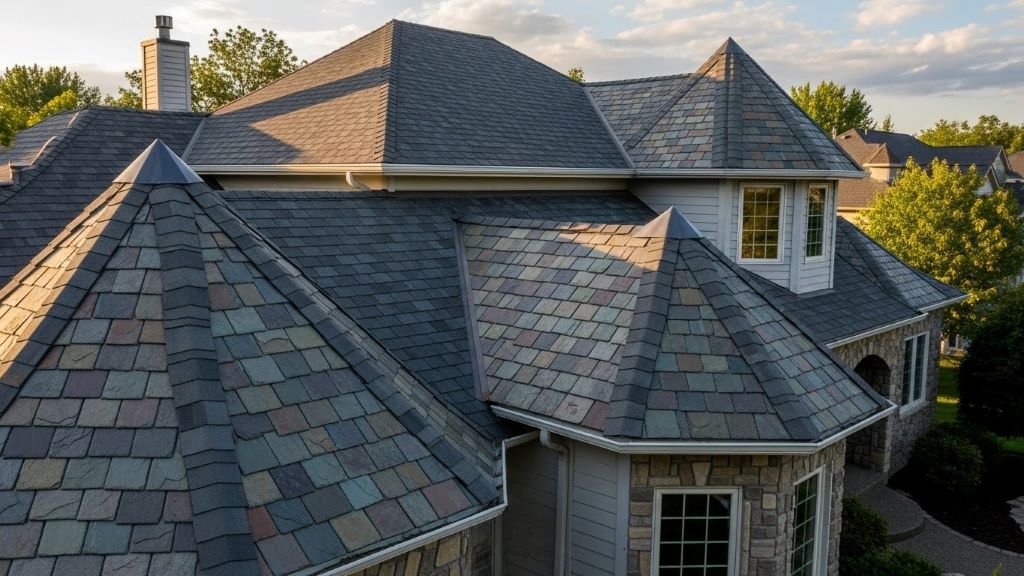
Roof Replacement for Mixed Roofing Materials Homes
Mixed roofing materials can create stunning visual appeal for your home. However, they also present unique challenges when replacement time arrives. Understanding these complexities helps homeowners make informed decisions and avoid costly mistakes.
Understanding Mixed Roofing Material Systems
Mixed roofing systems combine two or more different materials on a single structure. Common combinations include asphalt shingles with slate accents, metal roofing with tile sections, or cedar shakes paired with architectural shingles. These designs often highlight architectural features like turrets, dormers, or bay windows.
Homeowners choose mixed materials for various reasons. Some want to emphasize specific architectural elements, while others seek to balance cost with aesthetics. Additionally, certain roof sections may require different materials based on pitch, exposure, or structural considerations.
Common Challenges with Mixed Material Replacement
Replacing a mixed material roof involves more complexity than standard single-material projects. Coordination becomes crucial when multiple roofing specialists must work together. A metal roofing contractor and a tile specialist, for example, need to coordinate their installation schedules and techniques.
Finding matching materials presents another significant challenge. Discontinued product lines or aged materials may no longer be available. Therefore, homeowners sometimes face difficult decisions about partial replacement versus complete roof overhaul.
Waterproofing transitions between different materials requires special attention. Each material expands and contracts at different rates with temperature changes. Consequently, improper flashing or sealing at transition points can lead to leaks and water damage.
Assessing Your Current Roof Condition
Before beginning any replacement project, conduct a thorough inspection of all roofing materials. Different materials age at different rates, so one section might need immediate replacement while another remains serviceable for years.
Look for signs of wear specific to each material type. Asphalt shingles show granule loss and curling edges. Metal roofing develops rust spots or loose fasteners. Tile and slate crack or slip out of position. Wood shakes split and rot over time.
Consider hiring a professional inspector familiar with mixed material systems. They can identify subtle problems that untrained eyes might miss. Furthermore, they can assess whether structural issues exist beneath the visible roofing materials.
Planning Your Replacement Strategy
Determine whether you need partial or complete replacement. Partial replacement saves money initially but may create aesthetic inconsistencies. Complete replacement ensures uniform appearance and performance but requires larger upfront investment.
Decide if you want to maintain the existing mixed material design or simplify to a single material. Simplification often reduces future maintenance complexity and costs. However, it may also diminish your home’s unique character and curb appeal.
Create a realistic budget that accounts for multiple material types and specialized labor. Mixed material projects typically cost more per square foot than single-material installations. Additionally, factor in potential structural repairs that inspections might reveal.
Material Selection Considerations
Choose materials that complement each other aesthetically and functionally. Consider weight compatibility, as some roof structures cannot support heavy materials like slate or concrete tile. According to This Old House, proper material selection significantly impacts both performance and longevity.
Evaluate each material’s lifespan and maintenance requirements. Matching lifespans across different materials prevents situations where one section needs replacement while others remain new. This approach maximizes your investment and minimizes future disruption.
Think about climate compatibility for your location. Some materials perform better in specific weather conditions. Metal roofing excels in areas with heavy snow, while tile works well in hot, dry climates. Therefore, regional considerations should influence your material choices.

Working with Contractors
Select contractors with specific experience in mixed material roofing systems. General roofers may lack expertise with specialized materials like slate, copper, or clay tile. Request references from previous mixed material projects and verify their licensing and insurance.
Obtain detailed written estimates from multiple contractors. These estimates should break down costs by material type, labor, disposal, and any structural repairs. Additionally, ensure all estimates include the same scope of work for accurate comparison.
Establish clear communication channels and project timelines. Mixed material projects require coordination between different trades and material suppliers. Consequently, delays in one area can cascade through the entire project schedule.
Installation Best Practices
Proper flashing installation at material transitions prevents most water intrusion problems. Use high-quality materials designed for the specific combination you are installing. Moreover, follow manufacturer specifications precisely to maintain warranty coverage.
Ensure adequate ventilation throughout the roof system. Different materials have varying ventilation requirements, so the system must accommodate the most demanding material. Proper ventilation extends material life and prevents moisture-related problems.
Pay special attention to valleys, ridges, and penetrations. These vulnerable areas require extra care in mixed material installations. Furthermore, they represent the most common failure points in roofing systems.
Cost Factors and Budgeting
Material costs vary significantly between roofing types. Premium materials like slate or copper cost substantially more than asphalt shingles. However, their extended lifespan may justify the higher initial investment.
Labor costs increase with system complexity. Specialized tradespeople command higher rates than general roofers. Additionally, projects requiring multiple specialists take longer to complete, increasing overall labor expenses.
Consider long-term maintenance and repair costs in your decision. Some material combinations require more frequent attention than others. Therefore, factor these ongoing expenses into your total cost of ownership calculations.
Maintaining Your New Mixed Material Roof
Develop a maintenance schedule appropriate for each material type. Some materials need annual inspections, while others can go several years between professional evaluations. Regular maintenance catches small problems before they become expensive repairs.
Clean different materials using appropriate methods and products. What works safely on metal roofing might damage tile or slate. Consequently, research proper cleaning techniques or hire professionals familiar with your specific materials.
Address repairs promptly to prevent water damage and secondary problems. Small leaks can cause extensive damage to roof decking, insulation, and interior finishes. Furthermore, moisture problems can lead to mold growth and structural deterioration.
Energy Efficiency Considerations
Different roofing materials offer varying levels of energy efficiency. Metal roofing reflects solar heat, while dark asphalt shingles absorb it. According to the U.S. Department of Energy, selecting appropriate materials can significantly reduce cooling costs.
Consider adding insulation during replacement to improve overall performance. Enhanced insulation works with any roofing material to reduce heating and cooling expenses. Additionally, improved insulation increases home comfort and reduces environmental impact.
Explore cool roofing options that meet your aesthetic requirements. Many materials now come in reflective versions that maintain traditional appearances while improving energy performance. Therefore, you can preserve your home’s character while reducing energy consumption.
Permits and Building Codes
Research local building codes before starting your project. Some jurisdictions restrict certain materials or require specific installation methods. Additionally, historic districts may have additional requirements for maintaining architectural character.
Obtain all necessary permits before work begins. Operating without proper permits can result in fines, stop-work orders, or problems when selling your home. Furthermore, unpermitted work may not meet insurance requirements.
Schedule required inspections at appropriate project stages. Inspectors verify that work meets code requirements and identify potential problems early. Consequently, passing inspections protects your investment and ensures proper installation.
Conclusion
Replacing a mixed material roof requires careful planning, experienced contractors, and attention to detail. While these projects present unique challenges, they also offer opportunities to enhance your home’s appearance and performance. By understanding the complexities involved and making informed decisions, you can successfully navigate the replacement process. Remember to prioritize quality materials, proper installation techniques, and ongoing maintenance to maximize your investment’s lifespan and value.
Frequently Asked Questions
How much does it cost to replace a mixed material roof?
Mixed material roof replacement typically costs between $15,000 and $50,000, depending on size, materials chosen, and complexity. Premium materials like slate or copper significantly increase costs, while combinations involving primarily asphalt shingles remain more affordable.
Can I replace just one section of my mixed material roof?
Yes, you can replace individual sections if the materials are available and the remaining roof is in good condition. However, partial replacement may create aesthetic inconsistencies if exact material matches cannot be found. Additionally, age differences between old and new sections will become visible over time.
How long do mixed material roofs typically last?
Lifespan varies by material, ranging from 20 years for asphalt shingles to 100 years for slate or copper. The overall system’s lifespan typically matches its shortest-lived component. Therefore, planning replacement schedules around the most vulnerable materials makes sense.
Do I need different contractors for each roofing material?
While some roofing companies handle multiple materials, complex combinations often require specialists. Metal, slate, and tile installations demand specific expertise and certification. Consequently, your general contractor may subcontract certain portions to qualified specialists.
Will mixing roofing materials affect my home’s resale value?
Professionally installed mixed material roofs often enhance curb appeal and property value. However, poor execution or unusual combinations might deter some buyers. Additionally, buyers appreciate knowing that different materials were properly integrated and that maintenance has been documented.
Related Topics:
What is the Minimum Pitch for a Shingle Roof?
Your Roof’s Cry for Help: Identifying & Fixing Common Roofing Issues





Post Comment