
Wabi Sabi Furniture: Understated Beauty in Home Decor
The Japanese philosophy of wabi sabi celebrates imperfection and transience. This approach to life has transformed modern interior design. Wabi sabi furniture brings a calming, authentic presence to any space. It encourages us to find beauty in the worn, the weathered, and the wonderfully imperfect.
Understanding the Philosophy of Wabi Sabi
Wabi sabi is rooted in Zen Buddhism. It emerged in Japan during the 15th century. The term combines two concepts. Wabi refers to simplicity and rustic elegance. Sabi relates to the beauty of age and wear. Together, they create a worldview that honors natural cycles and authentic existence.
This philosophy stands in stark contrast to Western ideals of perfection. Rather than seeking flawless symmetry, wabi sabi embraces asymmetry. Instead of demanding pristine surfaces, it values patina and character. The approach recognizes that everything is impermanent and incomplete. Therefore, true beauty lies in accepting things as they are.
Characteristics of Wabi Sabi Furniture
Wabi sabi furniture displays distinct qualities that set it apart. These pieces tell stories through their imperfections. Understanding these characteristics helps you identify and appreciate this aesthetic.
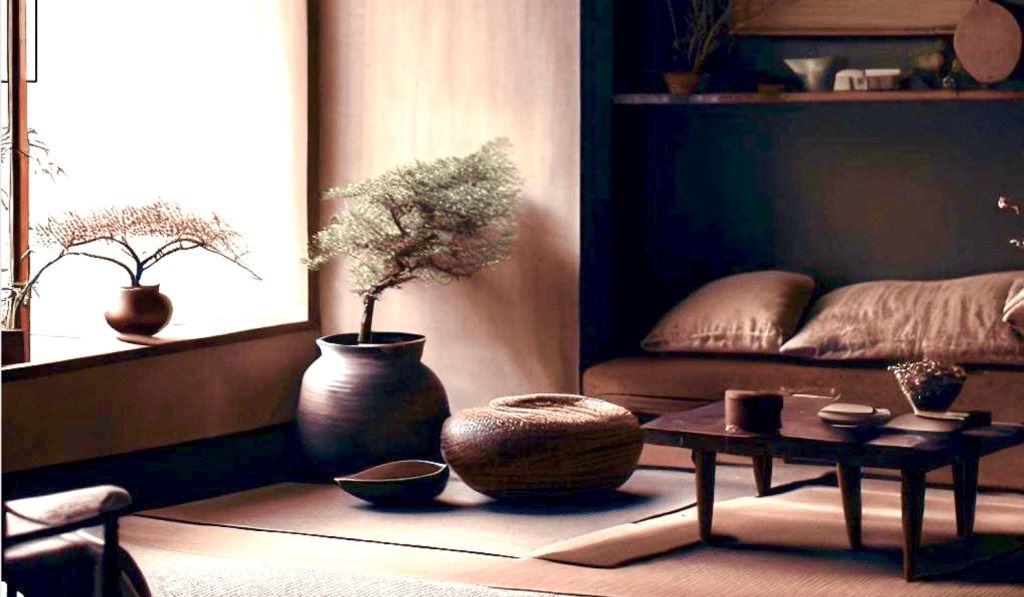
Natural materials form the foundation of wabi sabi design. Wood, stone, linen, and clay are preferred choices. These materials age gracefully over time. They develop character rather than deteriorate. A wooden table might show grain patterns that become more pronounced with age. Linen cushions soften and fade beautifully through use.
The color palette remains subdued and earthy. Neutral tones dominate wabi sabi spaces. Think warm browns, soft grays, muted greens, and gentle whites. These colors create a sense of tranquility. They allow the eye to rest rather than stimulate.
Imperfections are celebrated rather than hidden. A crack in ceramic becomes a feature. Uneven surfaces add interest. Visible joints in woodwork demonstrate honest craftsmanship. These elements remind us of the human hands that created each piece.
Simplicity guides every design decision. Wabi sabi furniture avoids unnecessary ornamentation. Clean lines and functional forms take precedence. However, this simplicity never feels cold or sterile. The natural materials and imperfect finishes add warmth and depth.
How to Incorporate Wabi Sabi Furniture into Your Home
Bringing wabi sabi elements into your living space creates a peaceful sanctuary. The process requires thoughtful selection rather than dramatic overhaul. Additionally, you can start small and gradually build your collection.
Begin with statement pieces that anchor a room. A reclaimed wood dining table serves as an excellent starting point. Look for tables with visible wood grain and natural edges. The imperfections in the wood tell a story of the tree’s life. Similarly, a weathered wooden bench adds character to an entryway or bedroom.
Choose handcrafted items over mass-produced alternatives. Artisan-made furniture carries the maker’s energy and intention. Pottery, woven baskets, and hand-carved wooden bowls all align with wabi sabi principles. These pieces often feature slight irregularities that confirm their handmade nature.
Embrace vintage and antique furniture. Second-hand pieces naturally embody wabi sabi ideals. They’ve lived previous lives and carry that history. A worn leather armchair or a distressed wooden cabinet fits perfectly into this aesthetic. Moreover, choosing pre-loved furniture benefits the environment by reducing waste.
Mix textures thoughtfully throughout your space. Combine rough stone with smooth wood. Pair coarse linen with soft wool. These contrasts create visual interest while maintaining the overall sense of calm. The varied textures engage multiple senses and add depth to your decor.
According to Architectural Digest, the wabi sabi aesthetic continues to gain popularity in Western interior design. Designers increasingly recommend this approach for creating calming, authentic living spaces.
Creating a Wabi Sabi Color Scheme
Color plays a crucial role in achieving the wabi sabi aesthetic. The palette should evoke nature and promote serenity. Fortunately, working with these colors proves quite forgiving and flexible.
Start with a neutral base. Warm whites, soft beiges, and gentle grays form the foundation. These colors mimic natural elements like sand, stone, and clouds. They create a peaceful backdrop that allows furniture and textures to shine.
Add depth with earthy accent colors. Muted greens recall moss and leaves. Soft browns echo tree bark and soil. Clay tones bring warmth without overwhelming the space. These colors should appear faded or sun-bleached rather than bright and saturated.
Consider the changing light in your space. Natural light transforms wabi sabi colors throughout the day. Morning sun might bring out golden undertones in beige walls. Afternoon light could emphasize the gray notes in your furniture. This dynamic quality adds life to the space.
Avoid stark contrasts and bold patterns. The wabi sabi palette remains subtle and harmonious. If you want pattern, choose organic motifs like wood grain or stone textures. These patterns occur naturally and don’t disrupt the peaceful atmosphere.
The Benefits of Choosing Wabi Sabi Furniture
Adopting wabi sabi furniture offers numerous advantages beyond aesthetics. This approach to decorating impacts your wellbeing and lifestyle in meaningful ways.
The aesthetic promotes mental clarity and reduces stress. Cluttered, busy spaces overwhelm our senses. In contrast, wabi sabi environments feel open and calm. The simple forms and muted colors allow your mind to relax. You can think more clearly and feel more at peace.
Wabi sabi furniture proves remarkably sustainable. The philosophy values longevity over trendiness. Pieces are chosen to last and improve with age. This approach naturally reduces consumption and waste. Furthermore, embracing imperfection means you don’t need to replace items when they show wear.
The style remains timeless and adaptable. Trends come and go, but wabi sabi endures. A piece that fits this aesthetic today will still work in your home decades from now. This longevity makes wabi sabi furniture an excellent investment.
Living with wabi sabi changes your perspective. You begin to appreciate beauty in unexpected places. A crack becomes interesting rather than problematic. Age becomes character rather than damage. This shift in mindset extends beyond your home and influences how you experience the world.
Finding and Selecting Wabi Sabi Pieces
Sourcing authentic wabi sabi furniture requires patience and discernment. The hunt itself can become a meditative practice. However, knowing where to look helps streamline the process.
Antique shops and flea markets offer treasure troves of possibilities. Visit regularly to discover unique pieces. Look for items with honest wear rather than artificial distressing. A genuinely aged piece has a different quality than something manufactured to look old.
Seek out local artisans and craftspeople. Many makers embrace wabi sabi principles in their work. They create furniture using traditional techniques and natural materials. Building relationships with these artisans connects you to your furniture’s story. You might even commission custom pieces designed for your space.
Consider unfinished or raw furniture that you can age naturally. A plain wooden shelf will develop its own patina over time. This approach allows you to participate in creating the wabi sabi aesthetic. Your daily use becomes part of the piece’s story.
Online marketplaces offer convenience but require careful evaluation. Request detailed photos showing any imperfections. Ask about the materials and construction methods. Ensure the seller’s description aligns with genuine wabi sabi principles rather than just trendy marketing.
The New York Times has featured numerous articles on mindful living and sustainable design choices. These resources can help guide your furniture selection process.
Maintaining Wabi Sabi Furniture
Caring for wabi sabi furniture differs from maintaining conventional pieces. The goal isn’t preservation of pristine condition. Instead, you guide natural aging while protecting structural integrity.
Use gentle, natural cleaning methods. Harsh chemicals can damage the patina you want to preserve. For wood, use mild soap and water sparingly. Wipe up spills promptly but don’t obsess over every mark. Some stains will become part of the piece’s character.
Allow natural wear patterns to develop. The arm of a chair will show use over time. Table surfaces will gain scratches and marks. These changes demonstrate the furniture’s purpose and history. Embrace them rather than trying to prevent them.
Repair damage thoughtfully when necessary. Fix structural issues to ensure safety and longevity. However, consider leaving cosmetic imperfections alone. If you do repair surface damage, use techniques that blend with the piece’s character. Visible mending aligns perfectly with wabi sabi philosophy.
Protect your furniture from extreme conditions. While wabi sabi celebrates aging, rapid deterioration isn’t the goal. Keep pieces away from direct heat sources and excessive moisture. Maintain moderate humidity levels to prevent cracking or warping. This care ensures your furniture ages gracefully rather than destructively.
Wabi Sabi in Different Rooms
Each room in your home offers opportunities for wabi sabi expression. The philosophy adapts beautifully to various functions and spaces. Therefore, you can create a cohesive aesthetic throughout your entire home.
In living rooms, focus on comfortable seating with natural fabrics. A linen sofa in neutral tones provides softness and texture. Add floor cushions made from organic materials. Display handmade pottery or wooden bowls on open shelves. Keep surfaces relatively clear to maintain the sense of spaciousness.
Bedrooms become peaceful retreats with wabi sabi furniture. Choose a simple wooden bed frame without elaborate details. Dress the bed in rumpled linen sheets in earthy colors. A weathered wooden nightstand and simple ceramic lamp complete the look. The result is a space that promotes restful sleep.
Dining areas benefit from the communal warmth of wabi sabi design. A large wooden table with visible grain becomes the heart of the room. Mismatched wooden chairs add character and interest. Handmade ceramics for dining ware feel substantial and meaningful. These elements make meals feel more intentional and connected.
Bathrooms can embrace wabi sabi through natural stone and wood. A wooden stool holds towels and toiletries. Stone vessels serve as soap dishes. These organic materials withstand moisture while aging beautifully. The bathroom becomes a spa-like sanctuary for daily rituals.
The Connection Between Wabi Sabi and Mindfulness
Wabi sabi furniture supports a more mindful way of living. The aesthetic and philosophy intertwine with present-moment awareness. Your home becomes a practice space for mindfulness principles.
The emphasis on imperfection teaches acceptance. We learn to accept our furniture’s flaws just as we accept our own. This practice of non-judgment extends beyond objects to how we treat ourselves and others. The lesson proves profound and transformative.
Simplicity in design reduces mental clutter. Fewer decorative elements mean fewer things competing for attention. Your mind can focus on what matters most. This clarity supports meditation, creativity, and meaningful relationships.
The natural materials connect us to the earth and seasonal cycles. Wood responds to humidity changes. Stone feels cool in summer and holds warmth in winter. These subtle shifts remind us we’re part of nature rather than separate from it.
Choosing wabi sabi furniture requires slowing down. You can’t rush the process of finding authentic pieces. This deliberate pace contradicts our culture of instant gratification. However, the reward is furniture that truly resonates with your values and aesthetic.
Conclusion
Wabi sabi furniture brings understated beauty and deep meaning to home decor. This Japanese philosophy celebrates imperfection, transience, and authenticity. By incorporating natural materials, earthy colors, and handcrafted pieces, you create spaces that feel both peaceful and alive. The approach offers environmental benefits through sustainability and timeless design. Moreover, living with wabi sabi furniture cultivates mindfulness and acceptance in daily life. Whether you start with a single statement piece or gradually transform your entire home, embracing wabi sabi invites you to find beauty in the imperfect and celebrate the authentic. Your living space becomes more than just decorated rooms. It transforms into a sanctuary that reflects life’s natural rhythms and honors the passage of time.
Frequently Asked Questions
What is the main difference between wabi sabi and minimalism?
While both aesthetics value simplicity, wabi sabi embraces imperfection and natural aging, whereas minimalism focuses on clean perfection and often uses modern materials. Wabi sabi celebrates texture and character from wear, while minimalism emphasizes pristine surfaces and geometric precision. Additionally, wabi sabi feels warmer and more organic compared to minimalism’s sometimes stark appearance.
Can wabi sabi furniture work in modern homes?
Absolutely. Wabi sabi furniture complements modern architecture beautifully by adding warmth and texture to clean lines. The contrast between contemporary spaces and aged, natural pieces creates visual interest and prevents modern homes from feeling cold. Many designers successfully blend wabi sabi elements with modern furniture to achieve balanced, inviting spaces.
Is wabi sabi furniture expensive?
Not necessarily. While artisan-crafted pieces can be pricey, you can build a wabi sabi aesthetic affordably. Vintage and second-hand furniture often fits the style perfectly at lower costs. Simple, unfinished wooden pieces that age naturally also work well. The philosophy values authenticity over luxury, making it accessible to various budgets.
How do I prevent wabi sabi furniture from looking shabby?
The key is maintaining structural integrity while allowing natural aging. Keep pieces clean and repair any damage that affects function or safety. Choose quality items that age gracefully rather than deteriorate. The difference between wabi sabi and shabby lies in intentionality and care. Well-maintained pieces develop character rather than appearing neglected.
Can I mix wabi sabi furniture with other design styles?
Yes, wabi sabi furniture blends well with many design styles. It pairs beautifully with Scandinavian, bohemian, and rustic aesthetics. The natural materials and neutral colors work as grounding elements in eclectic spaces. Start by introducing a few wabi sabi pieces and observe how they interact with your existing furniture. The style’s flexibility makes it remarkably adaptable.
Related Topics:





Post Comment